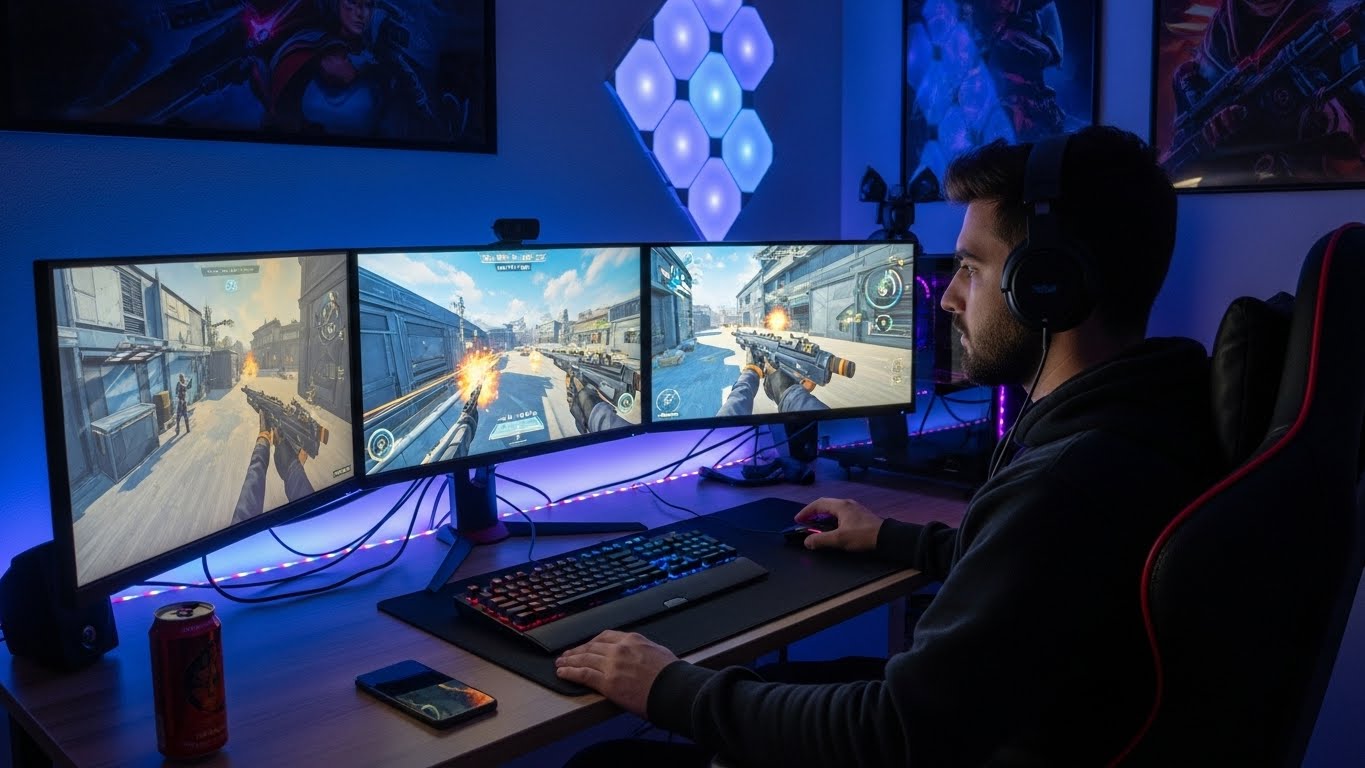
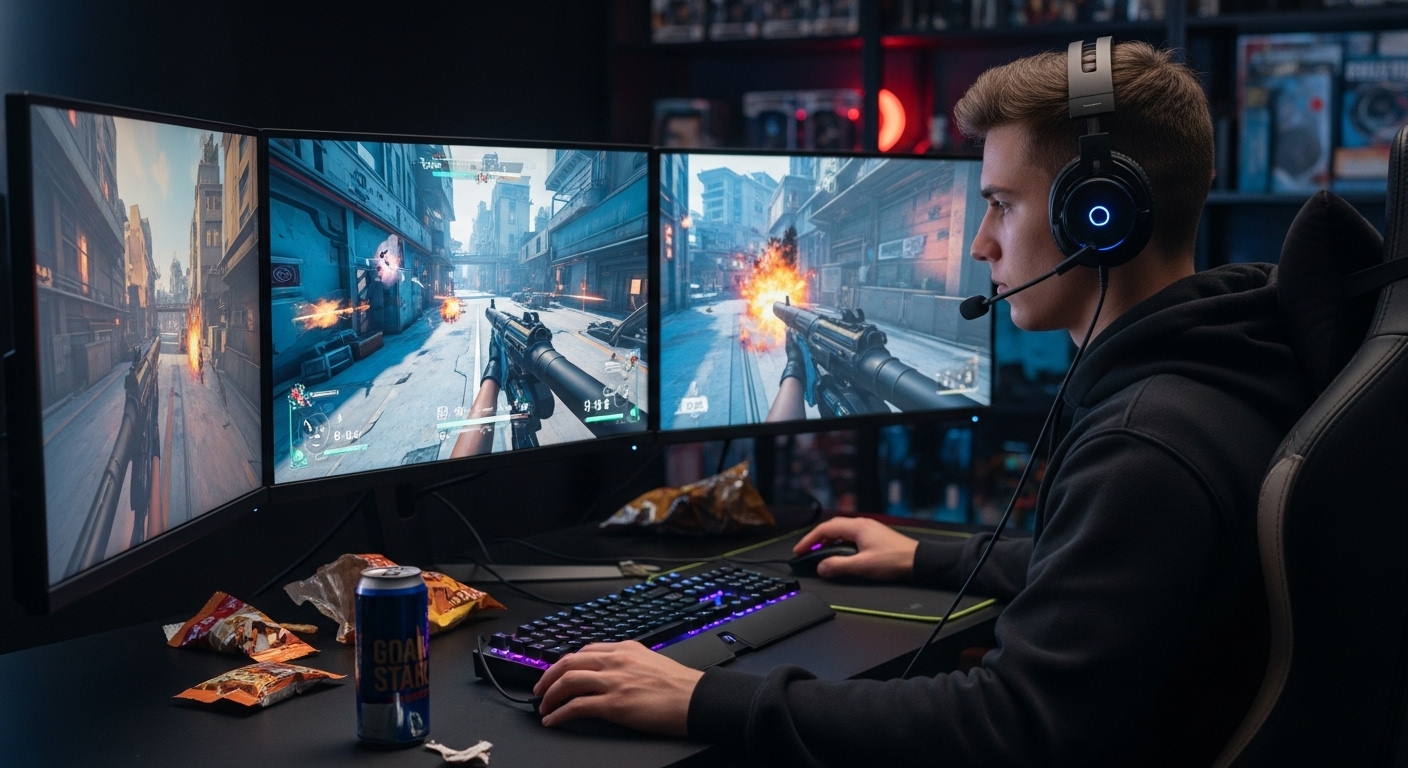
Gaming is no longer just a pastime or a hobby; it has evolved into a global phenomenon that captivates millions of people around the world. It is a form of entertainment that continues to grow in influence and scope, becoming an integral part of modern culture. Whether you’re a casual gamer or a hardcore enthusiast, the world of gaming offers something for everyone. In this blog post, we’ll dive deep into the history, evolution, trends, and impact of gaming, exploring what makes it so appealing and why it continues to thrive in the digital age.
The Birth of Gaming: A Historical Perspective
The story of gaming begins in the mid-20th century when the first video games were created. The early days of gaming were marked by simple, pixelated graphics and rudimentary mechanics. In 1958, William Higinbotham, a physicist, created one of the first video games called “Tennis for Two,” which was displayed on an oscilloscope. This game was a simple two-player tennis simulation, and though rudimentary by today’s standards, it laid the foundation for the interactive experiences that would follow.
The true birth of the gaming industry came in the early 1970s with the introduction of arcade games. One of the most iconic and groundbreaking titles from this era was “Pong,” created by Atari founder Nolan Bushnell. Released in 1972, Pong was a simple tennis simulation, but it marked the first commercially successful arcade game. It was followed by a string of similar games that captivated audiences in arcades worldwide.
In the years that followed, home consoles began to emerge, and the gaming industry expanded rapidly. The release of the Atari 2600 in 1977 marked the beginning of home gaming. This console, coupled with a growing library of video game cartridges, made gaming accessible to households across the globe. The 1980s saw the rise of iconic titles like “Space Invaders” and “Pac-Man,” and the gaming landscape continued to evolve.
The Golden Age of Gaming
The 1980s and 1990s are often referred to as the “Golden Age” of gaming. During this period, video games transitioned from simple arcade-style experiences to more complex, narrative-driven adventures. The rise of 8-bit and 16-bit consoles, such as the Nintendo Entertainment System (NES), Sega Genesis, and Super Nintendo Entertainment System (SNES), provided gamers with a wide variety of genres to explore.
In this era, gaming franchises that are still beloved today were born. Nintendo introduced iconic characters like Mario and Zelda, while Sega introduced Sonic the Hedgehog. These franchises became household names, and the characters associated with them became cultural icons. This period also saw the emergence of games that pushed the boundaries of storytelling and gameplay, such as “The Legend of Zelda: Ocarina of Time” and “Final Fantasy VII.” These games are considered some of the best of all time and are still revered for their innovation and storytelling.
The 1990s also marked the rise of PC gaming. The introduction of more powerful computers, combined with the increasing popularity of multiplayer online games, laid the foundation for the modern gaming experience. Titles like “Warcraft,” “StarCraft,” and “Quake” became early pioneers of online multiplayer gaming, setting the stage for the massive eSports industry that would emerge in the years to come.
The Rise of 3D Gaming and the PlayStation Era
The late 1990s and early 2000s saw another major shift in the gaming landscape with the introduction of 3D graphics. The release of Sony’s PlayStation in 1994 marked a turning point in the industry. The PlayStation’s hardware allowed developers to create fully immersive 3D environments, which was a game-changer for the industry.
The 3D graphics revolutionized the way games were played and experienced. Players could now explore vast, open worlds in games like “Grand Theft Auto III” and “The Elder Scrolls III: Morrowind.” The PlayStation also introduced groundbreaking franchises like “Final Fantasy VII,” “Gran Turismo,” and “Metal Gear Solid,” which became instant classics.
Around the same time, the Nintendo 64 was released, offering players a chance to experience 3D gaming in a new way. Games like “Super Mario 64” and “The Legend of Zelda: Ocarina of Time” became landmark titles in gaming history, setting new standards for gameplay, design, and storytelling.
As gaming technology advanced, so too did the ambition of developers. The PlayStation 2, released in 2000, became one of the best-selling consoles of all time, and titles like “Grand Theft Auto: San Andreas,” “Shadow of the Colossus,” and “Final Fantasy X” showcased the incredible potential of 3D gaming.
The Modern Era: Online Gaming and the Rise of eSports
The 2000s and 2010s saw the advent of online gaming and the rise of eSports. Broadband internet became more widespread, and multiplayer games like “World of Warcraft,” “Call of Duty,” and “League of Legends” allowed players to connect with one another from across the globe. This shift toward online multiplayer gaming opened up new opportunities for social interaction and competitive play.
The growth of eSports, in particular, has been one of the most exciting developments in the gaming industry. What started as small, community-driven competitions has now grown into a multi-billion-dollar industry, with professional players, teams, and tournaments attracting millions of viewers worldwide. Games like “Dota 2,” “Counter-Strike: Global Offensive,” and “Fortnite” have become the centerpiece of the eSports scene, with top players earning millions of dollars in prize money.
The rise of streaming platforms like Twitch and YouTube has also played a major role in the growth of gaming culture. Content creators, professional gamers, and enthusiasts alike use these platforms to share their experiences, gameplay, and insights with a global audience. The gaming community has grown into a massive, interconnected network of players, fans, and creators who interact and share content daily.
The Impact of Mobile Gaming
While console and PC gaming have long dominated the industry, mobile gaming has experienced an explosive rise in recent years. With the advent of smartphones and tablets, games like “Angry Birds,” “Candy Crush Saga,” and “Pokémon GO” have become household names, offering gaming experiences that are easy to pick up and play on the go.
The accessibility of mobile gaming has made it one of the most popular forms of gaming worldwide. Whether it’s a quick puzzle game or a multiplayer battle royale, mobile games cater to a wide variety of tastes and preferences. In fact, mobile gaming now accounts for the largest share of the global gaming market, surpassing even console and PC gaming in terms of revenue.
Mobile gaming has also paved the way for new business models, such as free-to-play games with in-app purchases. These games allow players to enjoy the core experience without paying upfront, while offering the option to buy cosmetic items, power-ups, or other in-game benefits.
Virtual Reality (VR) and Augmented Reality (AR): The Next Frontier
As gaming technology continues to evolve, the next frontier in gaming is virtual reality (VR) and augmented reality (AR). VR gaming allows players to immerse themselves in fully realized 3D environments, creating a level of immersion that was previously impossible. With the release of devices like the Oculus Rift, HTC Vive, and PlayStation VR, VR gaming has become more accessible to the mainstream.
VR gaming offers a truly unique experience, allowing players to interact with the game world in ways that traditional gaming cannot. Whether it’s exploring a haunted house, flying a spaceship, or fighting off zombies, VR offers an experience that is as close to being inside a game as you can get.
Augmented reality (AR) gaming, on the other hand, blends the real world with virtual elements. Games like “Pokémon GO” have demonstrated the potential of AR, allowing players to interact with virtual characters and objects in the real world through their smartphones. As AR technology continues to improve, we can expect to see more games that integrate the real world with the digital.
The Future of Gaming: What’s Next?
Looking to the future, the gaming industry shows no signs of slowing down. Advances in technology will continue to push the boundaries of what is possible, and gaming will likely become even more immersive, interactive, and accessible. Cloud gaming, for example, is poised to revolutionize the way we play games. Services like Google Stadia, Xbox Cloud Gaming, and NVIDIA GeForce Now allow players to stream games directly to their devices without the need for expensive hardware.
Additionally, the rise of artificial intelligence (AI) is set to change the way games are designed and played. AI-powered NPCs (non-playable characters) could provide more realistic and dynamic interactions, while AI-driven procedural generation could create infinite, ever-changing worlds for players to explore.
The potential for cross-platform play, where players on different devices can play together, is also on the horizon. As cloud gaming and digital distribution continue to improve, players will be able to seamlessly connect and compete, regardless of the platform they’re playing on.
Conclusion: The Enduring Appeal of Gaming
Gaming has come a long way since its humble beginnings, and it continues to evolve at a rapid pace. From the early days of simple arcade games to the immersive, multiplayer experiences of today, gaming has become an essential part of modern culture. Whether through consoles, PCs, mobile devices, or virtual reality, gaming offers an unparalleled form of entertainment that brings people together, challenges our skills, and immerses us in worlds of fantasy and adventure.
As technology continues to advance, there’s no telling where gaming will go next. But one thing is for sure: the future of gaming is incredibly bright, and its impact on our society and culture will only continue to grow. Whether you’re a casual player or a dedicated gamer, the world of gaming is an ever