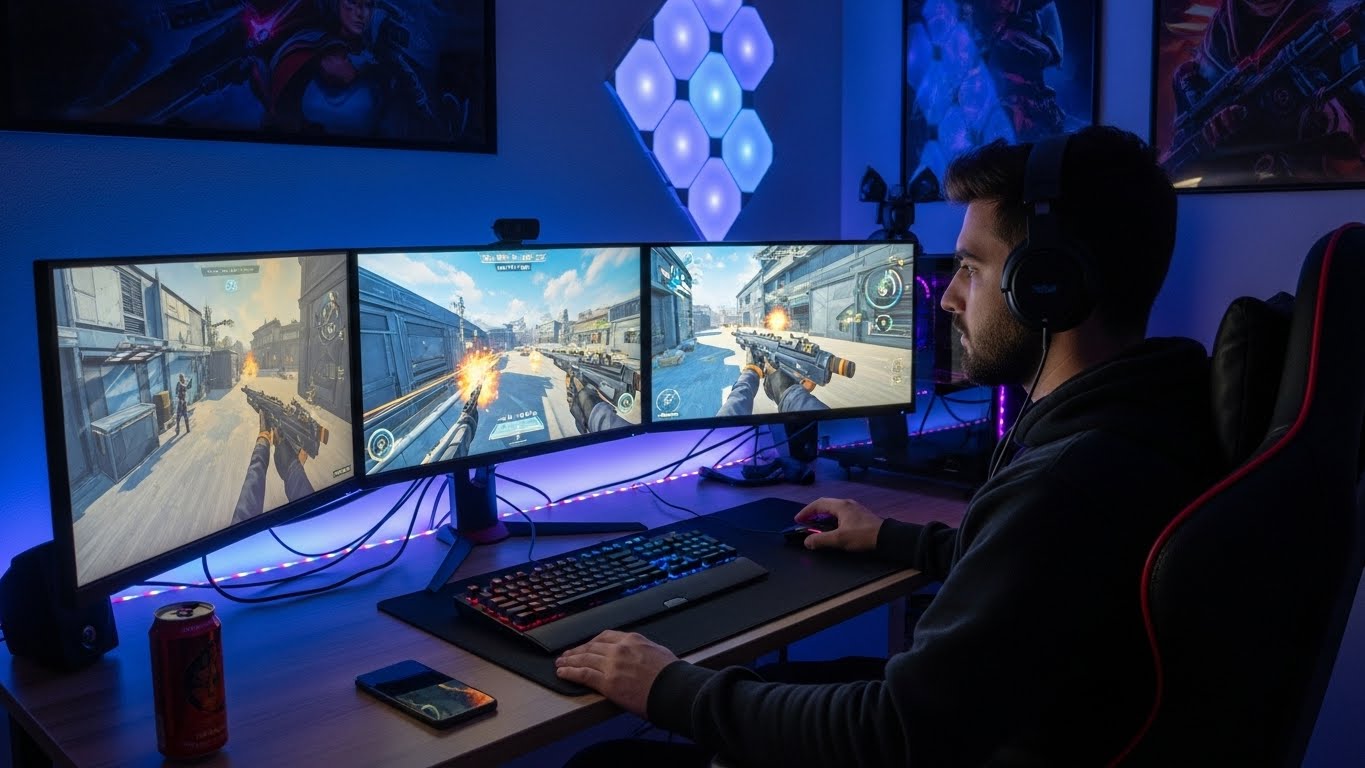
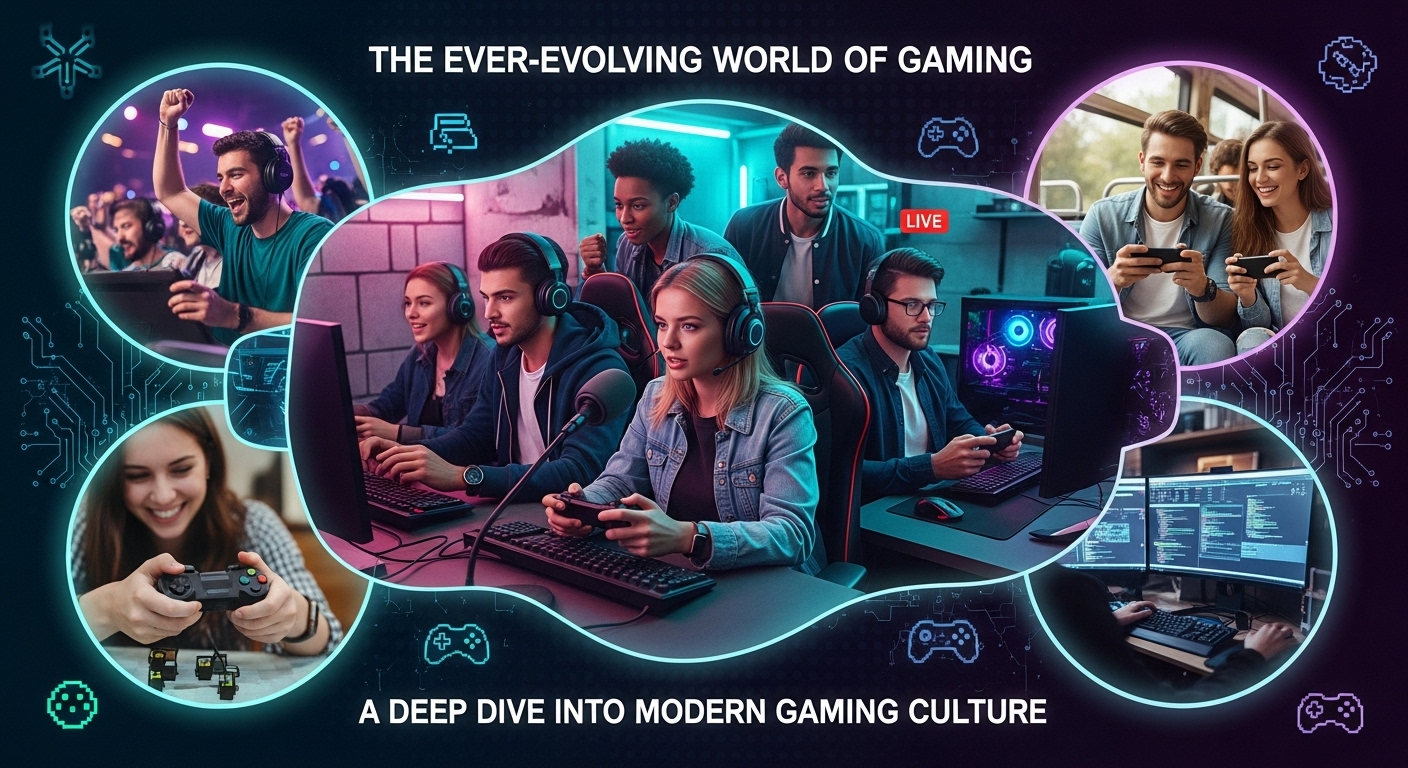
Gaming has transformed dramatically over the past few decades. What started as simple pixelated screens and basic mechanics has evolved into sprawling immersive universes with lifelike graphics, intricate storylines, and social connectivity that transcends borders. The world of gaming has become more than just a hobby—it’s a cultural phenomenon, a professional pursuit, and a form of artistic expression. This blog explores the evolution of gaming, its influence on society, the rise of eSports, technological advancements, and what the future might hold for gamers around the world.
The Early Days of Gaming
In the 1970s and 1980s, video games were an entirely new form of entertainment. Titles like Pong and Space Invaders introduced players to interactive electronic experiences. These games were simple, often consisting of one or two mechanics, but they captivated audiences with their novelty. Arcades became the social hubs for gamers, where players competed for high scores and formed communities around shared interests.
The rise of home consoles in the 1980s, such as the Nintendo Entertainment System (NES) and Sega Master System, brought gaming directly into living rooms. This transition marked a shift from public gaming spaces to private experiences, making gaming accessible to a broader audience. Titles like Super Mario Bros., The Legend of Zelda, and Sonic the Hedgehog became household names, laying the foundation for franchises that would dominate the gaming industry for decades.
Gaming as a Storytelling Medium
While early games focused on high scores and basic objectives, developers soon realized the potential of video games as a storytelling medium. Games began to explore narratives, character development, and world-building in ways that rivaled traditional forms of media. Titles like Final Fantasy, Chrono Trigger, and Metal Gear Solid showed that games could tell complex stories and evoke emotional responses from players.
Modern gaming narratives are often as intricate as those found in movies and literature. Open-world games like The Witcher 3: Wild Hunt and Red Dead Redemption 2 immerse players in rich, living worlds where decisions have consequences and character arcs evolve dynamically. This shift has transformed gaming from a pastime into an art form, demonstrating that interactive storytelling can offer experiences unique to the medium.
The Rise of Multiplayer and Online Gaming
One of the most transformative developments in gaming has been the rise of multiplayer experiences and online connectivity. Games are no longer solitary experiences. They allow players to collaborate, compete, and communicate in real-time with people from around the globe. Early online games, such as Ultima Online and EverQuest, laid the groundwork for massively multiplayer online role-playing games (MMORPGs), where thousands of players coexist in shared virtual worlds.
With the proliferation of broadband internet and mobile devices, online gaming has reached unprecedented levels. Titles like Fortnite, Call of Duty: Warzone, and League of Legends have become cultural phenomena, attracting millions of players worldwide. Online multiplayer not only enhances gameplay but also fosters communities, friendships, and even professional networks.
Gaming as a Professional Pursuit
The perception of gaming has shifted dramatically in the past decade. What was once considered a casual hobby has become a legitimate career path. The rise of eSports has transformed competitive gaming into a multimillion-dollar industry. Players compete professionally in tournaments, often earning salaries, sponsorships, and international recognition. Games like Dota 2, Counter-Strike: Global Offensive, and Overwatch offer structured competitions with prize pools that rival traditional sports.
Streaming platforms like Twitch and YouTube Gaming have also created opportunities for gamers to build careers by sharing gameplay with audiences. Popular streamers amass millions of followers and generate revenue through subscriptions, sponsorships, and donations. The accessibility of live streaming has democratized professional gaming, allowing talented players from anywhere in the world to reach global audiences.
Technological Advancements in Gaming
Technology has been a driving force behind the evolution of gaming. Graphics have progressed from simple 8-bit sprites to photorealistic 3D models. Game engines like Unreal Engine and Unity enable developers to create lifelike environments, complex physics, and realistic character animations. Virtual reality (VR) and augmented reality (AR) have further expanded gaming’s possibilities, offering fully immersive experiences that blur the line between the real world and digital landscapes.
Artificial intelligence (AI) is another technological breakthrough reshaping gaming. Modern AI can control non-player characters (NPCs) with advanced behaviors, making games more dynamic and challenging. Procedurally generated content, powered by AI, allows for expansive worlds that are unique to each player, enhancing replayability and engagement.
Gaming and Culture
Gaming has become deeply embedded in global culture. It influences music, fashion, films, and even literature. Popular game franchises inspire merchandise, comic books, and movies, creating entire ecosystems of media around a single intellectual property. Cosplay, fan art, and conventions like E3 and Comic-Con celebrate gaming culture and bring enthusiasts together in ways that were unimaginable in the early days of arcade gaming.
Moreover, gaming has become a platform for social commentary and creative expression. Indie games often explore themes such as mental health, social justice, and environmental issues. Titles like Celeste, Hellblade: Senua’s Sacrifice, and Journey demonstrate that games can provoke thought, evoke empathy, and inspire players to reflect on real-world issues.
The Impact of Gaming on Society
Gaming has far-reaching effects on society, both positive and negative. On the positive side, gaming can improve cognitive skills such as problem-solving, strategic thinking, and spatial awareness. Multiplayer games foster teamwork, communication, and leadership skills. Some educational games have even been used to teach subjects like history, mathematics, and programming.
However, concerns about gaming addiction, screen time, and social isolation remain prevalent. Excessive gaming can lead to physical and mental health issues, including eye strain, sleep deprivation, and anxiety. Balancing gaming with other aspects of life is essential to ensure that players reap the benefits without succumbing to potential drawbacks.
Mobile Gaming and Accessibility
The advent of smartphones has revolutionized gaming accessibility. Mobile games allow players to engage with digital experiences anywhere, anytime. Titles like Clash of Clans, PUBG Mobile, and Genshin Impact have introduced millions to gaming who might never have invested in a console or PC.
Mobile gaming has also introduced free-to-play models with in-game purchases, creating a new economic ecosystem. While this model has sparked debates about microtransactions and monetization ethics, it has undeniably expanded the reach of gaming and provided new opportunities for developers and players alike.
The Future of Gaming
The future of gaming is poised to be even more transformative. Cloud gaming promises to remove hardware limitations, allowing players to access high-quality games on low-spec devices. VR and AR technologies will continue to evolve, creating more immersive experiences. AI-driven procedural generation may enable endless game worlds tailored to individual players’ preferences.
Moreover, gaming will continue to intersect with other industries, from education and healthcare to social networking and entertainment. As games become more inclusive and diverse, the medium will attract broader audiences and provide meaningful experiences that go beyond entertainment.
The rise of cross-platform play and social gaming means that players can connect regardless of the devices they own, further blurring the boundaries between different gaming ecosystems. Innovations such as haptic feedback, motion capture, and brain-computer interfaces may redefine what it means to play a game, making experiences increasingly sensory and interactive.
Conclusion
Gaming has come a long way from the days of simple pixels on a screen. It has grown into a multifaceted cultural phenomenon, blending art, technology, and social interaction in unprecedented ways. From the early arcade games to sprawling virtual worlds and professional eSports tournaments, gaming continues to evolve, shaping the way people connect, learn, and experience entertainment.
As technology advances and creativity flourishes, the possibilities for gaming are virtually limitless. Whether as a form of storytelling, a competitive pursuit, or a social platform, gaming has proven its resilience and adaptability. For players and developers alike, the journey is far from over—new worlds await, challenges beckon, and the next level of gaming is just around the corner.