Introduction
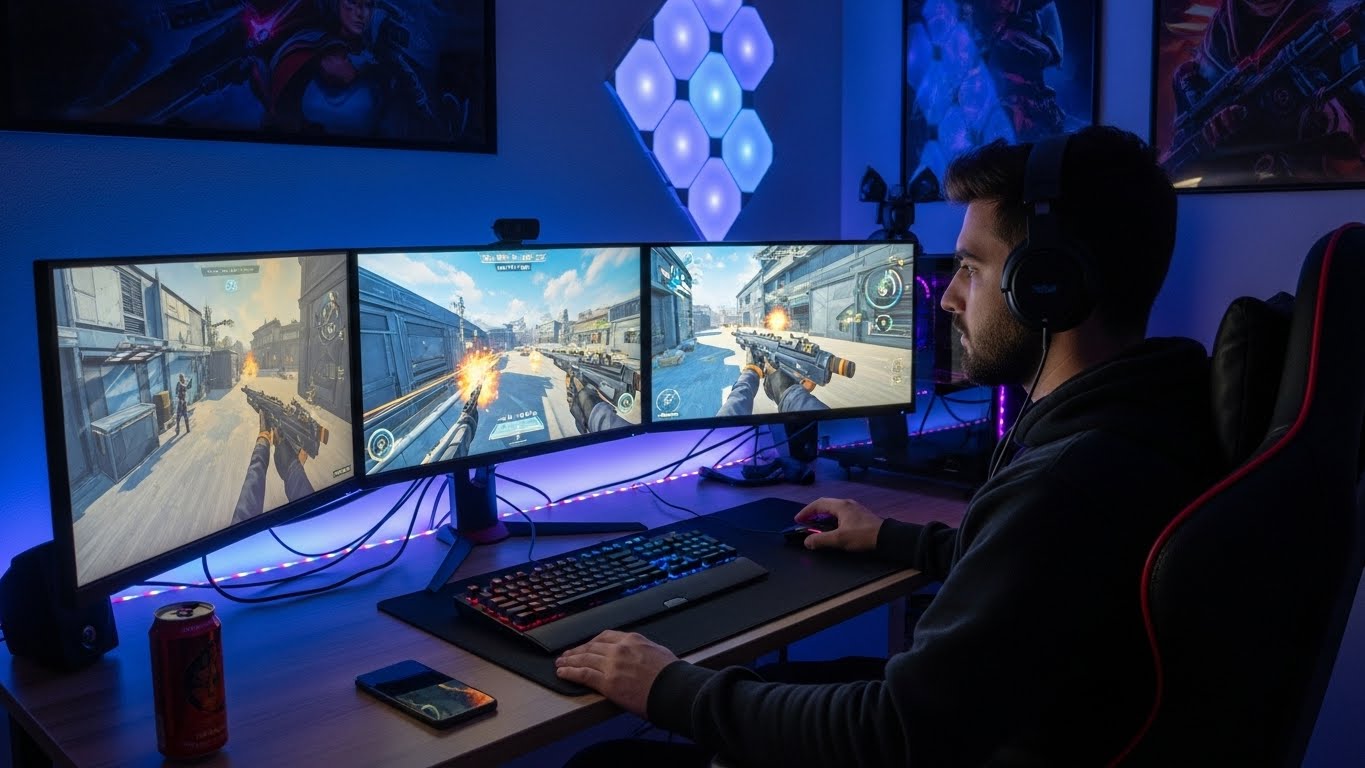
Gaming has grown from a simple source of fun into one of the most powerful and creative industries in the world. It is no longer limited to children or hobbyists; gaming has become a global culture that influences technology, storytelling, and even education. From consoles and computers to smartphones and virtual reality, gaming continues to evolve, captivating millions of players across the globe.
The Journey of Gaming Evolution
The history of gaming began with basic arcade machines and home consoles offering simple graphics and gameplay. Over time, developers introduced new ideas, transforming games into interactive art forms filled with emotion, strategy, and innovation. Today’s games feature realistic visuals, open worlds, and deep storytelling that rival blockbuster films. This evolution proves that gaming is not just about play—it is about experience and creativity.
The Power of Online Gaming
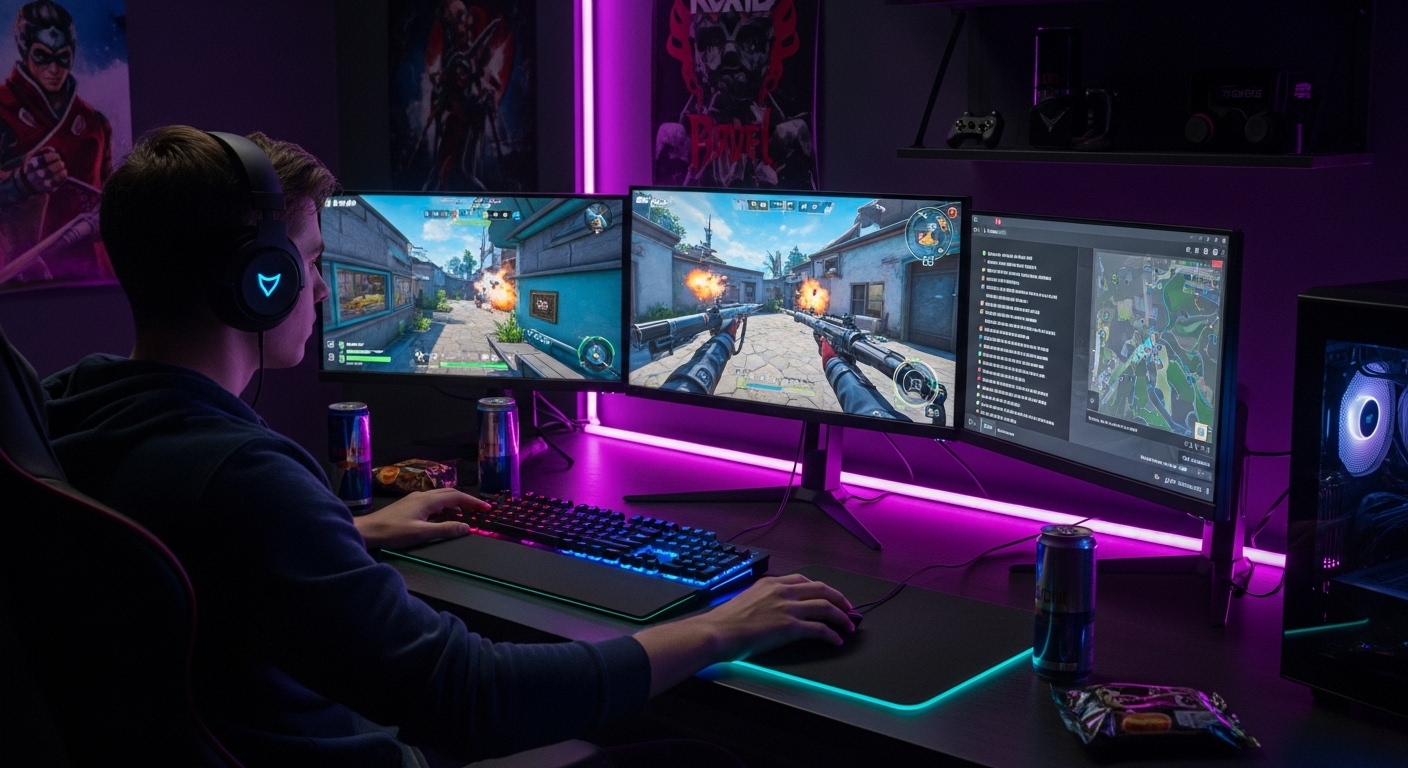
Online gaming has completely changed how people interact with each other. Through multiplayer games, players can connect, compete, and collaborate with others worldwide. These digital communities have become social spaces where friendships form, teamwork develops, and competition thrives. Esports, a professional level of gaming, has also gained popularity, creating opportunities for players to turn their passion into successful careers.
Technology Behind Modern Gaming
Modern gaming is driven by cutting-edge technology. Powerful processors, advanced graphics engines, and virtual reality systems allow players to experience lifelike environments. Artificial intelligence enhances gameplay by creating smarter opponents and dynamic storylines. Cloud gaming services make high-quality games more accessible, allowing players to enjoy immersive experiences without the need for expensive equipment.
Gaming as a Source of Learning and Creativity
Gaming is more than entertainment—it is a tool for learning and creativity. Many games improve problem-solving skills, memory, and decision-making. Strategy games teach planning and patience, while creative games encourage imagination and design. Educational institutions are now using gaming as a teaching aid, proving that games can help students learn in an engaging and interactive way.
The Social and Emotional Impact of Gaming
Beyond fun and learning, gaming offers emotional and social benefits. It helps reduce stress, boosts confidence, and fosters a sense of accomplishment. Cooperative games strengthen teamwork and communication, while story-driven games allow players to connect emotionally with characters and narratives. For many, gaming serves as a comforting escape and a form of self-expression.
The Future of Gaming
The future of gaming is filled with endless possibilities. Technologies like virtual reality, augmented reality, and artificial intelligence are transforming the way people play and experience games. The metaverse concept promises to create shared digital worlds where gaming, work, and social life merge. With constant innovation, the gaming industry will continue to grow, shaping how entertainment and interaction evolve in the years ahead.
Conclusion
Gaming has become an essential part of modern culture, combining art, technology, and human imagination. It connects people across the world, encourages creativity, and offers experiences unlike any other form of entertainment. As gaming continues to advance, it will remain a powerful force that inspires, educates, and entertains. The world of gaming is not just about playing—it is about exploring infinite possibilities in the digital age.