
Introduction
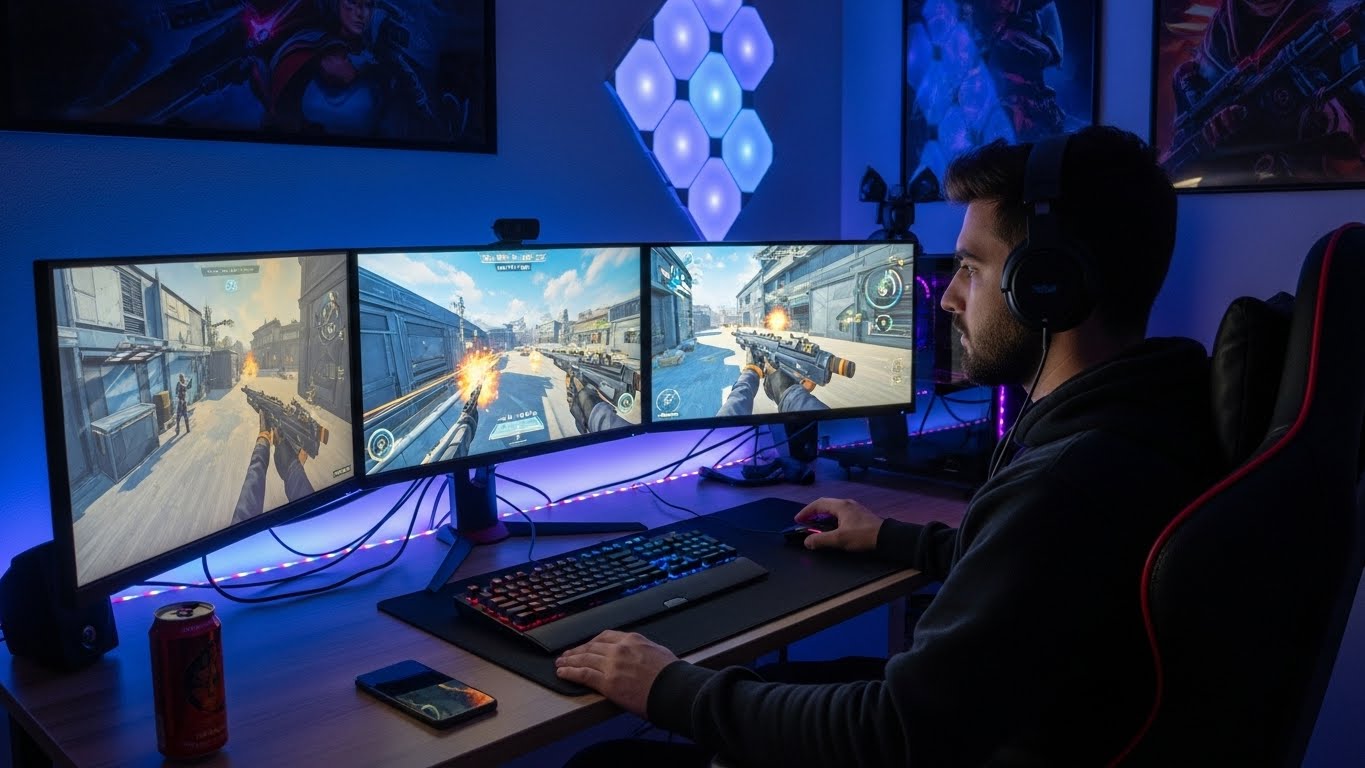
Gaming has come a long way from the simple pixelated screens of the past to the highly detailed, immersive worlds we experience today. What started as a niche hobby for a select few has transformed into a global industry worth billions. It is no longer just about entertainment; gaming has become a cultural phenomenon, a profession, and a technological marvel that continues to evolve rapidly. This blog explores the journey of gaming, the technological advancements that have fueled its growth, and how it continues to shape our future.
The Early Days of Gaming
In the early 1970s and 1980s, video games were simple yet revolutionary. Titles like Pong and Space Invaders captured the imagination of an entire generation. The graphics were minimal, and the gameplay was straightforward, but the concept of interactive entertainment was groundbreaking. Arcade machines became a common sight in malls and game centers, and people began to realize that gaming had the potential to become something much bigger.
The Rise of Home Consoles
The introduction of home gaming consoles changed everything. Systems like the Atari 2600, Nintendo Entertainment System, and Sega Genesis brought gaming into living rooms around the world. Players could now enjoy their favorite games without needing to visit an arcade. Iconic characters such as Mario, Sonic, and Link became household names. These consoles established gaming as a family-friendly activity and paved the way for future innovations.
The Advent of 3D Graphics and Realism
The 1990s marked a turning point in gaming technology with the rise of 3D graphics. Games like Super Mario 64, Tomb Raider, and Final Fantasy VII introduced players to immersive 3D environments that felt alive. This era also saw the emergence of powerful consoles such as the PlayStation and Nintendo 64, which redefined what video games could achieve. Developers began experimenting with storytelling, sound design, and character development, transforming gaming into an art form.
The Internet Revolution in Gaming
The introduction of the internet brought an entirely new dimension to gaming. Online multiplayer games became a reality, allowing players to connect and compete globally. Titles such as Counter-Strike, World of Warcraft, and Runescape created massive online communities. The concept of social gaming began to flourish, where players could chat, trade, and collaborate within virtual worlds. This shift also laid the foundation for esports, which would soon become a major global phenomenon.
The Rise of Esports and Competitive Gaming
Esports has become one of the fastest-growing sectors within the gaming industry. What began as small local tournaments has evolved into large-scale global competitions with millions of viewers and substantial prize pools. Games like League of Legends, Dota 2, and Fortnite have turned professional gamers into celebrities. The esports industry has also led to new career opportunities, from coaches and commentators to analysts and event organizers. The competitive aspect of gaming has elevated it to a legitimate sport in the eyes of many enthusiasts.
The Emergence of Mobile Gaming
The development of smartphones revolutionized gaming accessibility. Mobile gaming has reached audiences that traditional consoles and PCs never could. Games like Angry Birds, Clash of Clans, and PUBG Mobile demonstrated that powerful gaming experiences could fit right in our pockets. Mobile games appeal to both casual and hardcore gamers due to their convenience and wide variety of genres. Today, mobile gaming generates more revenue globally than console and PC gaming combined, proving its dominance in the modern era.
The Influence of Virtual Reality and Augmented Reality
Virtual Reality (VR) and Augmented Reality (AR) have taken gaming to unprecedented levels of immersion. VR headsets like Oculus Quest and PlayStation VR transport players into entirely new dimensions, offering realistic and interactive experiences. On the other hand, AR games such as Pokémon Go blend the digital and physical worlds, encouraging players to explore their surroundings. These technologies have expanded the boundaries of gaming, offering experiences that go beyond traditional screens.
The Role of Artificial Intelligence in Gaming
Artificial Intelligence (AI) has significantly improved how games are designed and experienced. AI-driven characters and environments adapt to player behavior, making gameplay more dynamic and challenging. Developers use AI to enhance non-player character (NPC) interactions, procedural content generation, and even personalized gaming experiences. This innovation ensures that no two gaming sessions feel the same, keeping players engaged for longer periods.
Storytelling and Emotional Depth in Modern Games
Modern video games have evolved to become powerful storytelling tools. Titles like The Last of Us, Red Dead Redemption 2, and God of War demonstrate how gaming can evoke deep emotional connections. Players no longer just control characters—they live their stories. Developers are increasingly focusing on narrative-driven experiences, blending cinematic visuals with meaningful themes such as survival, love, loss, and identity. Gaming is now recognized as a form of art capable of telling stories as compelling as those in movies or books.
The Impact of Streaming and Content Creation
Streaming platforms and content creation have changed how people engage with gaming. Platforms like Twitch and YouTube have allowed gamers to share their gameplay with millions of viewers worldwide. Streamers and content creators have become influential figures, shaping gaming trends and communities. This phenomenon has given rise to a new form of entertainment where audiences enjoy watching others play as much as playing themselves. The interaction between creators and fans has turned gaming into a deeply social experience.
Gaming and Social Connection
Beyond entertainment, gaming has become a means of connecting people. Online games serve as virtual meeting spaces where friendships and communities form across borders. During global events and crises, gaming has provided comfort, companionship, and a sense of belonging. Multiplayer experiences foster teamwork, communication, and cooperation, proving that gaming is not just about competition but also collaboration.
The Economic Power of the Gaming Industry
The gaming industry is now larger than the movie and music industries combined. Its rapid growth has created jobs, inspired innovation, and influenced popular culture. From independent developers to major studios, gaming continues to drive technological progress. The industry’s economic impact is felt worldwide, as countries invest in gaming development and esports infrastructure. This financial success also ensures continuous improvement in hardware, software, and creative design.
The Future of Gaming: Beyond Imagination
As technology advances, the future of gaming looks more exciting than ever. Cloud gaming promises to eliminate hardware limitations, allowing players to stream high-quality games on any device. Artificial intelligence will continue to refine adaptive gameplay, while virtual and augmented reality will create even more immersive experiences. The integration of blockchain and digital ownership concepts may redefine how gamers interact with virtual economies. The possibilities are limitless, and gaming will undoubtedly remain at the forefront of innovation.
Conclusion
From humble beginnings in arcades to sophisticated virtual worlds, gaming has evolved into one of the most influential forces in modern society. It has changed how people play, connect, and express creativity. Gaming is no longer just a pastime—it is a global culture, an art form, and a technological frontier that continues to inspire millions. As we move forward, one thing remains clear: gaming’s journey is far from over. The next chapter promises even more innovation, creativity, and unforgettable experiences for players around the world.