Introduction
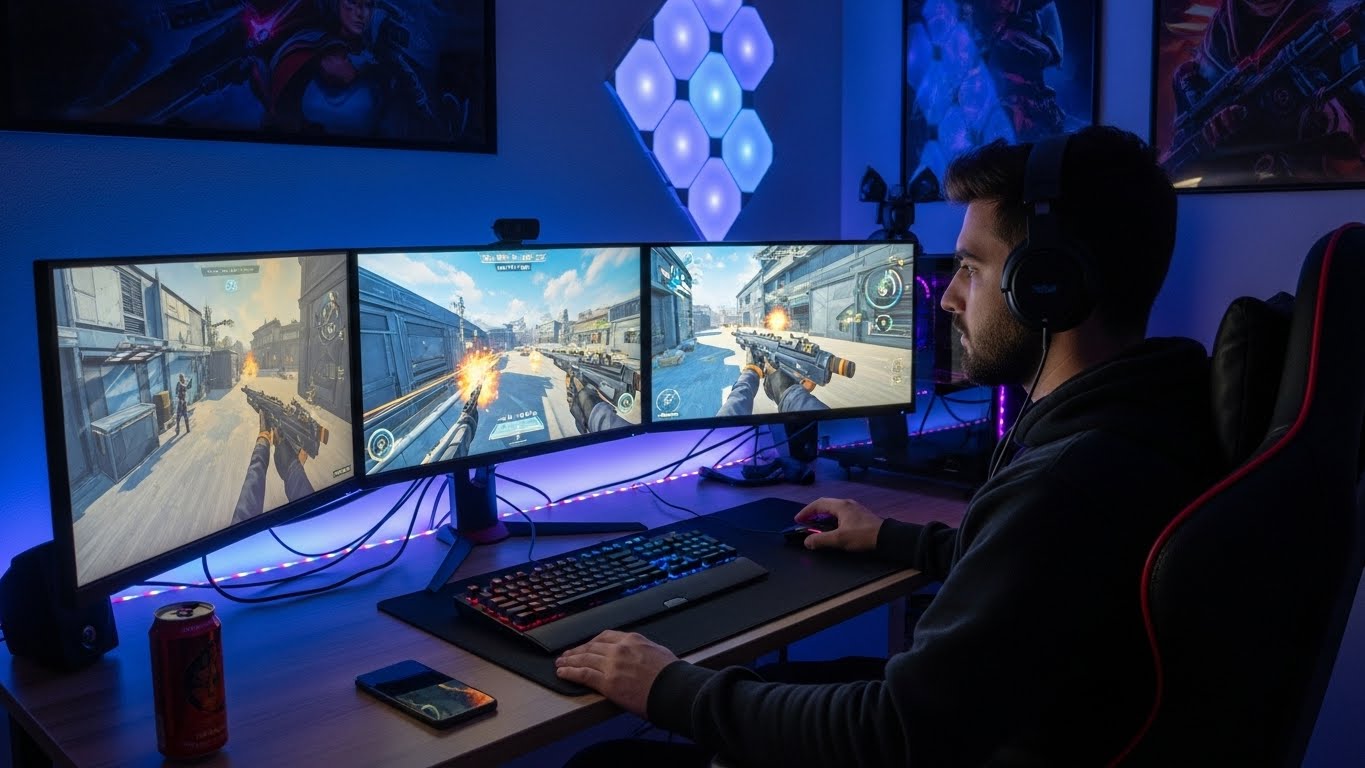
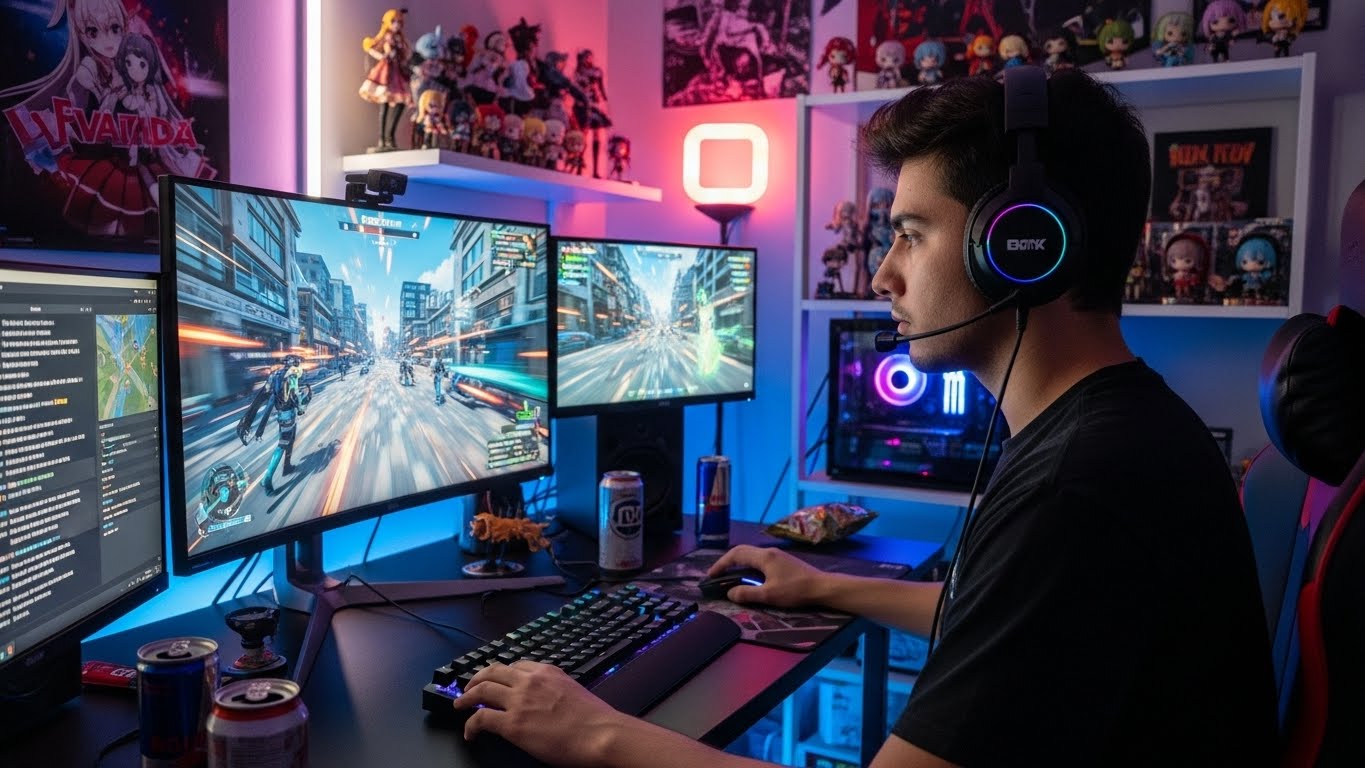
Gaming has evolved from a simple pastime into a global cultural and economic phenomenon. What once began as a hobby for children and teenagers is now an industry generating billions of dollars annually, attracting professional players, fostering communities, and inspiring innovation in technology and storytelling. Gaming is no longer confined to consoles or PCs; it spans mobile devices, virtual reality, and cloud platforms, offering immersive experiences to players of all ages. This blog explores the history, evolution, impact, and future of gaming, highlighting its cultural, technological, and social significance.
The Origins of Gaming
The history of gaming dates back decades, with early arcade machines and simple computer programs setting the stage. Classics like Pong, Space Invaders, and Pac-Man introduced players to interactive entertainment, capturing the imagination of an entire generation. These games, though simple by modern standards, emphasized skill, strategy, and competition, laying the foundation for the gaming industry.
The 1980s and 1990s saw the rise of home consoles, including the Nintendo Entertainment System, Sega Genesis, and early PC games. This era introduced iconic franchises and established the concept of narrative-driven gameplay. Multiplayer gaming also began to emerge, initially through local networks and later via online connections, creating communities that would shape the future of competitive and social gaming.
The Evolution of Gaming Platforms
Gaming has expanded far beyond traditional consoles. Personal computers enabled complex strategy and role-playing games, while mobile devices made gaming accessible to millions globally. Smartphones, tablets, and portable gaming systems transformed gaming into an activity that could be enjoyed anywhere.
Cloud gaming and streaming platforms represent the next frontier, allowing players to access high-quality games without expensive hardware. Virtual reality and augmented reality create immersive experiences, blending digital worlds with real-life interactions. The evolution of gaming platforms demonstrates the industry’s adaptability and its focus on delivering engaging experiences to diverse audiences.
Popular Gaming Genres
Gaming encompasses a wide variety of genres, each appealing to different types of players.
Action and Adventure Games emphasize skill, reflexes, and exploration. Titles like The Legend of Zelda and Assassin’s Creed combine storytelling with gameplay mechanics, providing immersive experiences.
Role-Playing Games (RPGs) allow players to assume characters, develop skills, and explore expansive worlds. Franchises like Final Fantasy and Skyrim have defined this genre, emphasizing narrative depth and character progression.
First-Person Shooters (FPS) focus on precision, strategy, and reaction time. Games such as Call of Duty and Counter-Strike have become staples of competitive gaming.
Multiplayer Online Battle Arenas (MOBAs) emphasize teamwork and strategy. Games like League of Legends and Dota 2 foster competitive communities and international tournaments.
Simulation and Sports Games recreate real-world experiences, from city-building simulations like SimCity to sports franchises like FIFA and NBA 2K, providing players with realistic and engaging scenarios.
This diversity ensures that gaming appeals to a wide audience, catering to both casual players and professional competitors.
Gaming as a Competitive Sport
Esports, or competitive gaming, has transformed gaming into a professional arena. Tournaments now offer multi-million-dollar prize pools, attracting elite players and teams from around the world. Esports encompasses various games, from FPS and MOBAs to fighting games and sports simulations.
Professional esports players dedicate countless hours to training, strategy, and teamwork. They travel internationally for competitions, maintain strict schedules, and engage with global fanbases through streaming and social media. Esports has become a legitimate career, offering opportunities beyond playing, including coaching, broadcasting, analytics, and content creation.
The Social and Cultural Impact of Gaming
Gaming has become a social phenomenon, influencing culture, communication, and entertainment. Online multiplayer games foster communities where players interact, collaborate, and compete. Social features like voice chat, forums, and in-game events strengthen connections and create shared experiences.
Gaming also influences music, fashion, storytelling, and popular culture. Iconic franchises inspire films, merchandise, and fan art, shaping cultural trends. Gaming conventions and expos celebrate creativity, technology, and community, highlighting the cultural significance of gaming beyond the screen.
Technological Innovations Driven by Gaming
The gaming industry has driven significant technological advancements. Graphics processing units (GPUs), high-refresh-rate monitors, and advanced controllers enhance gameplay experiences. Virtual reality, augmented reality, and haptic feedback create immersive environments that redefine how players interact with games.
Artificial intelligence in gaming enables adaptive opponents, dynamic storylines, and personalized experiences. Cloud computing and digital distribution platforms improve accessibility, allowing players worldwide to access high-quality games instantly. Gaming technology often leads to innovations in other industries, including simulations, education, and healthcare.
Gaming and Education
Gaming is increasingly recognized as a valuable educational tool. Educational games and gamified learning platforms engage students in interactive problem-solving, critical thinking, and skill development. Strategy games teach planning and resource management, while role-playing games enhance creativity, storytelling, and collaboration.
Gamification extends beyond the classroom, influencing corporate training, skill development, and cognitive research. Games provide safe environments for experimentation, decision-making, and learning from mistakes, making them effective tools for personal growth and professional development.
Health and Well-being in Gaming
While gaming is often associated with entertainment, it also impacts physical and mental well-being. Moderate gaming can improve hand-eye coordination, cognitive skills, multitasking, and problem-solving abilities. Social gaming fosters community, collaboration, and communication skills.
However, excessive gaming can lead to negative effects, including sedentary lifestyles, eye strain, and social isolation. Responsible gaming emphasizes balance, physical activity, and mindful engagement. The industry increasingly promotes wellness features, parental controls, and educational content to support healthy gaming habits.
The Economics of Gaming
Gaming is a multi-billion-dollar industry with a complex economic ecosystem. Revenue comes from game sales, in-game purchases, subscriptions, merchandise, and esports tournaments. Mobile gaming has expanded the market, reaching casual players and creating new monetization models.
Esports and streaming platforms generate revenue through sponsorships, advertising, and viewer engagement. The gaming industry also stimulates employment in development, design, marketing, event management, and content creation. Gaming’s economic impact extends to technology, entertainment, and education, making it a critical sector of the global economy.
Emerging Trends in Gaming
The gaming landscape is constantly evolving, with emerging trends shaping the future of the industry. Virtual reality and augmented reality provide immersive and interactive experiences, blurring the line between real and digital worlds. Cloud gaming allows high-quality games to be played without advanced hardware, increasing accessibility.
Cross-platform play enables players on different devices to compete together, promoting inclusivity and community growth. The rise of mobile esports and streaming platforms creates opportunities for new audiences, while AI-driven content and procedural generation expand creativity in game design.
Gaming and Inclusivity
The gaming community is increasingly embracing diversity and inclusivity. Developers are creating games that reflect different cultures, genders, and experiences. Accessibility features, such as customizable controls, colorblind modes, and adaptive devices, ensure that gaming can be enjoyed by people of all abilities.
Inclusive communities, safe spaces, and positive social interactions are becoming priorities for developers and platforms. Gaming is evolving into a more welcoming and representative industry, fostering creativity, connection, and shared enjoyment for a global audience.
The Future of Gaming
The future of gaming promises exciting developments. Advancements in artificial intelligence, virtual reality, and cloud computing will make games more immersive, adaptive, and globally accessible. Integration with other technologies, such as blockchain and augmented reality, will create new economic models, interactive experiences, and social platforms.
Esports will continue to grow, professionalizing competitive gaming and expanding audience engagement. Gaming as a cultural and educational tool will gain prominence, demonstrating its potential to influence learning, creativity, and community building. The gaming industry will remain a key driver of technological innovation, entertainment, and social connection.
Conclusion
Gaming has evolved far beyond its origins as a simple form of entertainment. It is now a global cultural, technological, and economic force, shaping communities, education, and professional opportunities. From immersive storytelling and competitive esports to educational applications and technological innovation, gaming impacts countless aspects of modern life.
As technology advances and communities grow, gaming will continue to redefine the boundaries of entertainment, creativity, and human connection. It represents not just play but a powerful tool for learning, innovation, and cultural expression. The world of gaming is vast, dynamic, and constantly evolving, offering limitless possibilities for players, developers, and society at large.