Introduction
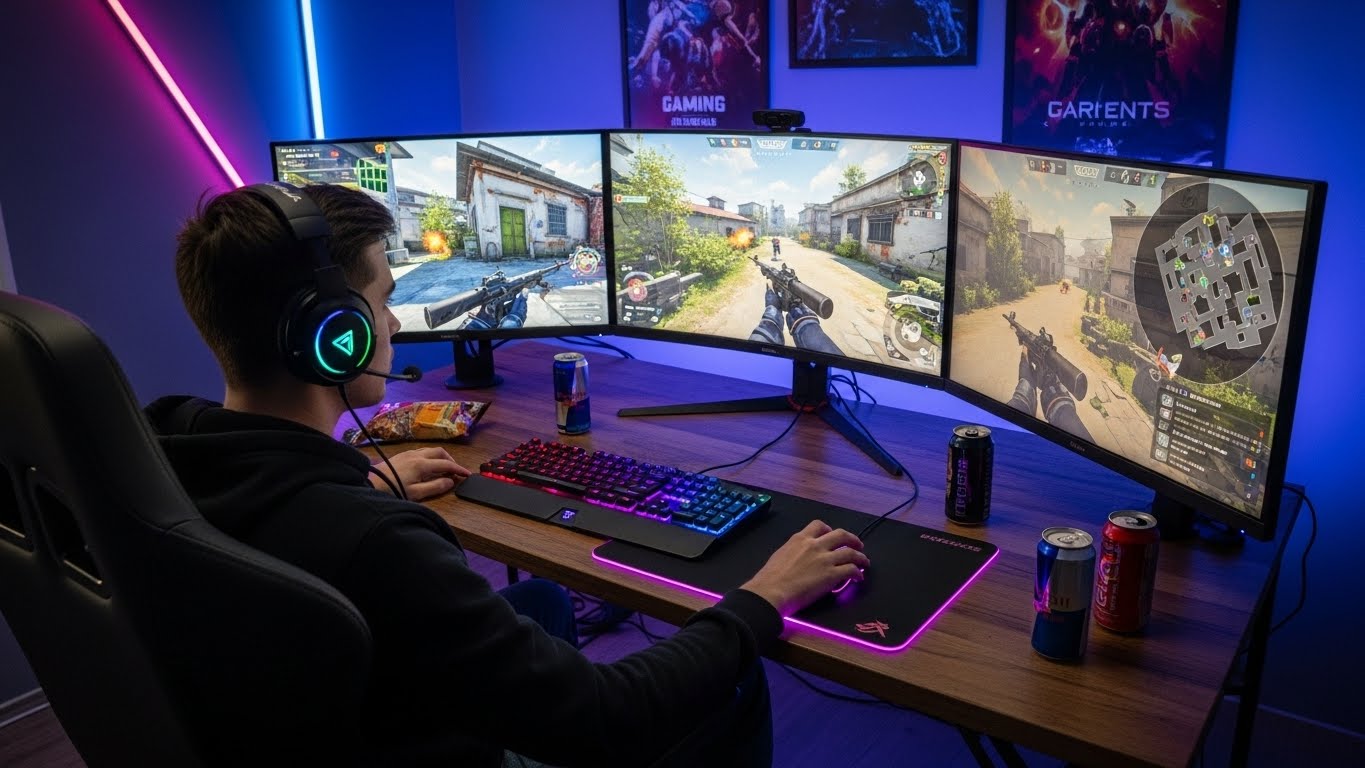
Gaming has evolved far beyond a mere pastime, emerging as a global phenomenon that impacts culture, technology, and social interactions. From simple pixelated games of the past to the immersive, visually stunning worlds of today, gaming has transformed into a major industry generating billions in revenue worldwide. It is no longer just a form of entertainment; it has become a platform for social connection, skill development, and even professional careers. With the rise of digital technology, mobile platforms, and online communities, gaming now reaches a wider audience than ever before, engaging millions of players across the globe in interactive experiences that are both entertaining and challenging.
The Evolution of Gaming
The history of gaming dates back several decades, beginning with simple arcade machines and console-based games. Early games were limited in graphics and complexity, yet they laid the foundation for the expansive industry we see today. With advancements in computer technology and the introduction of personal computers, gaming became more accessible and sophisticated. The development of consoles like PlayStation and Xbox brought high-quality graphics and interactive storytelling to living rooms worldwide. The rise of online gaming in the 2000s further transformed the landscape, enabling multiplayer experiences and social interaction across continents. Today, gaming continues to evolve with virtual reality, augmented reality, and cloud-based platforms, offering experiences that were once considered science fiction.
Types of Gaming
Gaming is a diverse ecosystem that caters to various interests and skill levels. Console gaming remains popular, offering immersive worlds and visually stunning experiences. PC gaming appeals to enthusiasts who seek high-performance gameplay, customization options, and complex strategy games. Mobile gaming has become a dominant force, providing entertainment on-the-go and attracting casual players with accessible, user-friendly titles. Online multiplayer games connect players globally, creating social communities where collaboration, competition, and communication are central. Additionally, esports has emerged as a professional gaming sector, with competitive tournaments, sponsorships, and dedicated fan bases, turning gaming into a legitimate career path for many talented players.
Technological Advancements Driving Gaming
Technology is the backbone of modern gaming, driving innovation and enhancing player experiences. High-definition graphics, realistic physics engines, and advanced AI create immersive worlds that challenge both the mind and reflexes. Virtual reality and augmented reality have revolutionized gaming by blending digital and physical environments, offering a fully interactive experience. Cloud gaming allows players to stream games without the need for high-end hardware, making premium titles accessible to a broader audience. Artificial intelligence enhances gameplay by creating adaptive opponents, personalized experiences, and smarter game design. These technological advancements ensure that gaming continues to captivate and evolve, providing new ways for players to engage with virtual worlds.
The Appeal of Gaming
The popularity of gaming can be attributed to its immersive nature and the opportunities it offers for creativity, strategy, and social interaction. Unlike passive entertainment, gaming requires active participation, critical thinking, and problem-solving skills. It allows players to explore new worlds, experiment with different scenarios, and achieve goals in a safe environment. Gaming also offers social connectivity, as multiplayer games and online communities foster friendships and collaboration. For many, gaming provides a sense of accomplishment, competition, and even relaxation. The combination of entertainment, challenge, and social interaction makes gaming appealing to a wide audience, transcending age, culture, and geography.
The Social Impact of Gaming
Gaming is not only a form of entertainment but also a significant social phenomenon. Multiplayer and online games create communities where players interact, share experiences, and build lasting relationships. Social platforms within games allow players to collaborate, compete, and communicate in real-time, fostering teamwork and leadership skills. Esports and streaming platforms have further amplified gaming’s social impact, providing a space for players and fans to engage with gaming culture and personalities. Gaming also serves as a medium for cultural exchange, introducing players to diverse ideas, narratives, and artistic styles from around the world. These social dimensions highlight gaming’s ability to connect people and create shared experiences that extend beyond the virtual world.
Educational and Cognitive Benefits of Gaming
Gaming offers numerous cognitive and educational benefits when approached responsibly. Strategy-based games enhance problem-solving, critical thinking, and decision-making skills. Puzzle and logic games improve memory, concentration, and pattern recognition. Multiplayer games encourage teamwork, communication, and leadership abilities. Educational games combine learning with interactivity, making complex subjects engaging and accessible. Simulation games allow players to practice real-world skills, from resource management to time planning, in a safe virtual environment. Research has shown that moderate gaming can improve mental agility and cognitive flexibility, making it a valuable tool for personal development and lifelong learning.
Economic Impact of Gaming
The gaming industry has grown into a major economic powerhouse, generating billions in revenue worldwide. It creates jobs across multiple sectors, including game development, graphic design, marketing, streaming, and esports management. The industry also stimulates technological innovation, as advancements in graphics, AI, and cloud computing are often driven by gaming needs. Mobile gaming and app development contribute to digital economies, while esports tournaments and live events generate substantial revenue through sponsorships, merchandise, and broadcasting rights. The economic significance of gaming demonstrates its influence beyond entertainment, shaping technology, culture, and global business trends.
Challenges Facing the Gaming Industry
Despite its growth, the gaming industry faces challenges that require careful attention. Regulatory issues, particularly around online gaming and age restrictions, vary widely across regions and can limit accessibility. Cybersecurity is a critical concern, as online platforms must protect player data from breaches and fraud. Gaming addiction and excessive screen time are ongoing issues, necessitating responsible gaming initiatives to promote balance and well-being. Ethical considerations, such as in-game monetization practices and virtual content moderation, must also be addressed to ensure a safe and fair environment. Overcoming these challenges is essential for maintaining player trust and fostering sustainable growth in the industry.
The Future of Gaming
The future of gaming is bright, driven by innovation, connectivity, and evolving player expectations. Virtual reality and augmented reality will continue to expand, creating fully immersive experiences that blur the line between real and virtual worlds. Cloud gaming and streaming platforms will make high-quality gaming accessible to a wider audience without the need for expensive hardware. Artificial intelligence will enhance game design, personalization, and adaptive challenges, ensuring that gameplay remains engaging and dynamic. The rise of social and competitive gaming will continue to shape communities and esports, while new monetization models, such as subscriptions and digital collectibles, will redefine the financial landscape. Sustainability and responsible gaming practices will also become central to industry growth, ensuring that gaming remains a positive and inclusive form of entertainment.
Cultural Influence of Gaming
Gaming has become a cultural force, influencing music, fashion, art, and storytelling. Iconic game franchises have inspired movies, books, merchandise, and fan art, creating vibrant cultural ecosystems. Gaming narratives often tackle complex themes, from heroism and morality to social issues, providing players with rich storytelling experiences. Streaming platforms and content creators amplify gaming culture, allowing players to share experiences, strategies, and creativity with global audiences. Gaming’s cultural impact reflects its integration into modern lifestyles, shaping entertainment, social behavior, and even education.
Conclusion
Gaming in the digital age is more than just entertainment; it is a transformative force that shapes culture, technology, and social interactions. With its diverse offerings, technological innovations, and social dimensions, gaming has evolved into a global phenomenon that connects people, fosters creativity, and provides opportunities for personal and professional growth. While challenges such as regulation, cybersecurity, and responsible gaming require attention, the industry continues to expand and innovate, offering immersive experiences that captivate players worldwide. As gaming continues to evolve, it will remain a defining aspect of the digital era, combining entertainment, education, social connectivity, and economic influence in ways that were unimaginable just a few decades ago.