Gaming has evolved into a vast, multi-faceted industry that’s not only a source of entertainment but also a cultural phenomenon, connecting millions of players worldwide. From the days of pixelated characters to the immersive, lifelike experiences of today, gaming has undergone a remarkable transformation. In this post, we’ll explore the journey of gaming, its current state, and where it’s heading in the future.
The Early Days of Gaming: Simple Beginnings
Gaming’s history begins in the late 20th century with the introduction of arcade machines. The games were simple, relying on basic graphics and straightforward gameplay. Titles like Pong, Space Invaders, and Pac-Man became household names, and arcades were the places to be for social gaming experiences. The controls were basic—joysticks and buttons—but the thrill of competition and beating high scores made these early games incredibly engaging.
At the same time, the home console market was emerging. With systems like the Atari 2600, early gamers could enjoy their favorite titles at home. However, these consoles were limited by hardware, and the games were mostly 2D, focusing more on gameplay mechanics than visual design.
The Rise of 3D: A Revolution in Gaming
The 1990s marked a major turning point in gaming history. The introduction of 3D graphics allowed developers to create more detailed, expansive worlds. This was the beginning of what many call the “golden age” of gaming. Games like Super Mario 64 and The Legend of Zelda: Ocarina of Time paved the way for the open-world adventures that would define future titles. Players were no longer restricted to scrolling screens; they could now roam vast landscapes, interact with characters, and embark on grand quests.
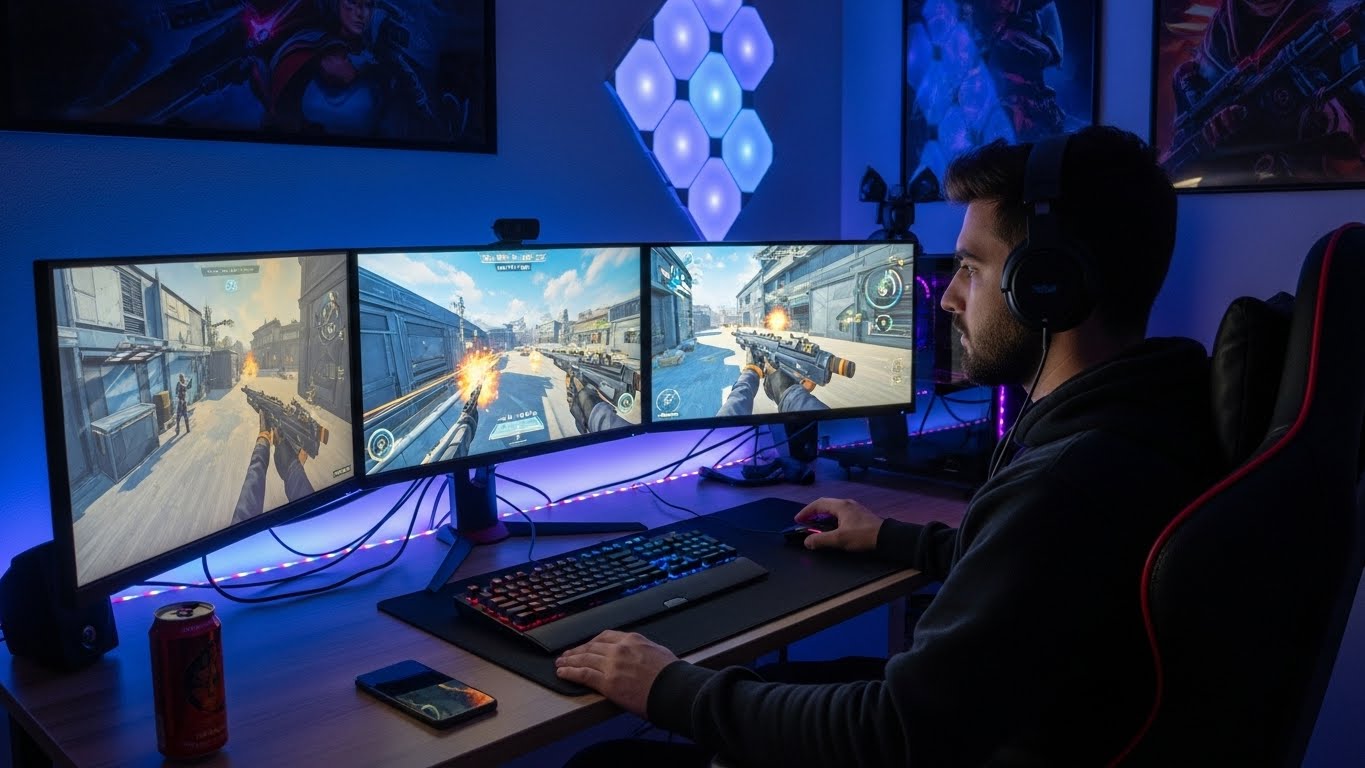
The shift to 3D graphics also led to the development of new genres. The first-person shooter (FPS) took off with games like Doom and Quake, offering players the chance to experience combat from a first-person perspective. Multiplayer games also began to flourish, and with the rise of online gaming, players could now compete or cooperate with others across the globe.
Modern Gaming: Immersive Worlds and Complex Narratives
Today’s games are far more than simple entertainment—they are fully realized worlds that players can lose themselves in for hours. Games like The Witcher 3: Wild Hunt and Red Dead Redemption 2 offer stunning graphics, deep narratives, and incredibly detailed open-world environments. These games provide more than just challenges; they allow players to engage in rich, emotionally driven stories, making the experience feel almost cinematic.
The complexity of modern games goes beyond just visuals. AI-controlled characters behave in increasingly sophisticated ways, making the virtual world feel alive. Non-playable characters (NPCs) are now able to interact with players in a meaningful way, offering side quests, dialogue options, and branching storylines that make the world feel dynamic and responsive.
Online Gaming and eSports: The New Social Landscape
Online multiplayer games have become a cornerstone of modern gaming. Titles like Fortnite, League of Legends, and Call of Duty have transformed gaming into a global social activity. Players from all over the world team up, compete, and form communities around these games. The ability to connect with others in real-time has made online gaming one of the most popular forms of entertainment today.
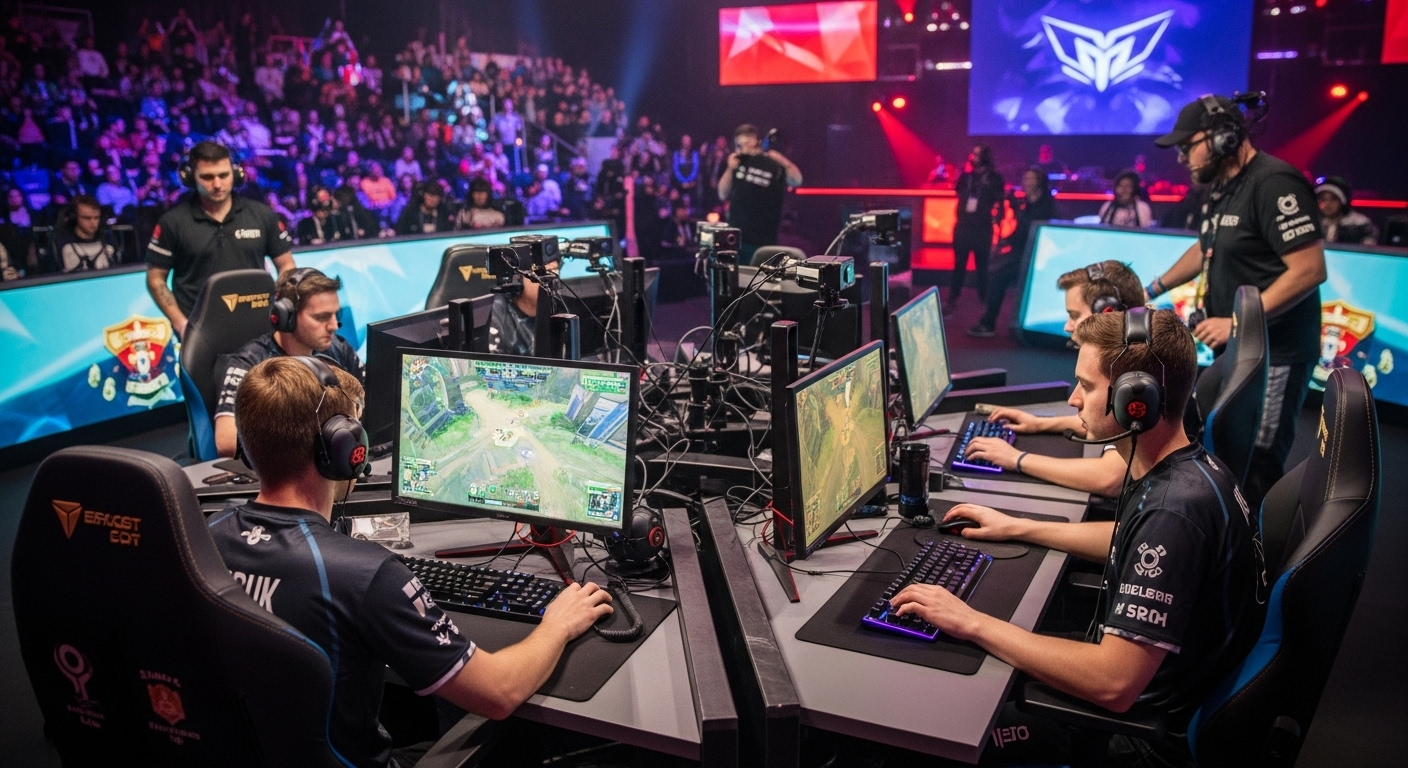
The growth of eSports is a testament to the massive appeal of competitive gaming. Professional gamers are now celebrities, with tournaments offering huge prize pools and drawing millions of viewers worldwide. Games like Dota 2 and Overwatch host annual tournaments that rival traditional sports events in terms of viewership and prize money.
Mobile Gaming: Gaming on the Go
Mobile gaming has quickly become one of the most significant trends in the industry. With smartphones becoming more powerful, games like Pokémon Go, Clash of Clans, and Genshin Impact have shown that you don’t need a dedicated console to enjoy a deep, engaging gaming experience. The accessibility of mobile gaming allows players to enjoy their favorite games while commuting, waiting for a friend, or just relaxing at home.
Mobile gaming has also helped democratize gaming, making it more accessible to people of all ages and backgrounds. With free-to-play models and a wide variety of genres, mobile gaming has introduced a new generation of players to the world of video games.
Virtual Reality: Stepping Into the Game
Virtual Reality (VR) is one of the most exciting innovations in the gaming world. With headsets like the Oculus Rift and PlayStation VR, players can immerse themselves in entirely new worlds. VR allows you to physically move, interact, and engage with your environment, creating an experience that’s unlike anything available on traditional consoles or PCs.
Although still in its early stages, VR gaming is expected to revolutionize how we play. It brings a level of immersion that was once only dreamed of. Whether you’re exploring alien planets, battling zombies, or playing sports, VR makes you feel like you’re truly there. As the technology becomes more affordable and the library of VR games expands, we’ll likely see a surge in VR adoption.
The Future of Gaming: Artificial Intelligence and Cloud Gaming
As we look toward the future, gaming is poised to continue evolving with new technologies. One of the most promising developments is artificial intelligence (AI). AI will enable NPCs to behave more intelligently, creating more realistic and unpredictable interactions. This could also lead to procedurally generated content, where the game world adapts and changes based on player actions, making each playthrough unique.
Cloud gaming is another technology that’s set to shape the future. With cloud platforms like Google Stadia and Xbox Cloud Gaming, players can stream games directly to their devices without the need for expensive hardware. This means that even players with lower-end devices can access high-quality games, democratizing access to the latest titles.
Additionally, as internet speeds improve globally, we can expect more seamless and immersive online multiplayer experiences. The combination of AI, cloud technology, and faster internet will open up new possibilities for what games can offer.
Conclusion: Gaming’s Infinite Potential
Gaming has come a long way from the days of simple arcade machines. Today’s games offer rich stories, vast open worlds, and engaging multiplayer experiences that keep players hooked. The technology powering games continues to advance, and the potential for innovation is limitless. As virtual reality, artificial intelligence, and cloud gaming continue to develop, the future of gaming holds even more exciting possibilities.
Whether you’re a casual player or a dedicated gamer, the world of gaming is constantly evolving, and there’s always something new to discover. The horizon for gaming is broad, and as technology continues to push boundaries, who knows what the next level of gaming will look like?