Introduction to the Metaverse in Gaming
The concept of the metaverse has been around for decades, often imagined in science fiction novels, films, and futurist theories. Today, it is no longer confined to fantasy. With advancements in digital technology, the metaverse is quickly becoming a tangible extension of reality, where people can interact, create, and immerse themselves in shared virtual worlds. Among all the industries exploring its potential, gaming stands at the forefront. The rise of metaverse gaming represents a fundamental shift in how players engage with games, communities, and digital economies.
Gaming has always been more than just a pastime. It is an evolving cultural force that has transitioned from pixelated adventures on small screens to sprawling open-world experiences powered by virtual reality, augmented reality, and artificial intelligence. The emergence of the metaverse amplifies these possibilities by merging gaming with social interaction, immersive storytelling, and digital ownership. In many ways, the rise of metaverse gaming marks the dawn of a new era, where the boundaries between the virtual and physical worlds blur like never before.
Defining Metaverse Gaming
Metaverse gaming refers to interactive virtual environments where players do more than just play a game—they live in it. Unlike traditional gaming, which often revolves around structured narratives or competitive objectives, metaverse gaming emphasizes freedom, immersion, and community-driven experiences. Players can socialize, attend events, trade digital assets, or even create their own content within the game.
At its core, metaverse gaming incorporates several defining features:
- Persistent virtual worlds that continue to exist even when players log off.
- Player-driven economies where in-game assets have tangible value.
- Cross-platform accessibility that allows players to interact regardless of the device.
- Interactivity beyond gaming, including concerts, virtual shopping, education, and collaboration.
The focus is no longer just about winning a game but about living an alternate digital life where entertainment, work, and socialization intersect seamlessly.
The Evolution of Virtual Worlds
To understand the rise of metaverse gaming, it is essential to trace the evolution of virtual worlds. Early online games like text-based MUDs (Multi-User Dungeons) in the late 20th century laid the foundation for multiplayer interaction. The 2000s saw the emergence of massively multiplayer online role-playing games (MMORPGs) such as World of Warcraft, which brought millions of players together in expansive universes.
However, these early iterations were still limited. The environments, while immersive, were constrained by the technology of the time. Players could not own in-game assets in a way that carried real-world value, and interactions were largely confined to gaming objectives.
The current shift toward the metaverse builds upon these foundations but enhances them with technologies like blockchain, which enables true ownership of digital goods, and virtual reality, which makes immersion more realistic. Unlike the static experiences of older games, metaverse gaming thrives on dynamic, evolving worlds shaped by players themselves.
The Role of Technology in Driving Metaverse Gaming
The rise of metaverse gaming is inseparable from technological innovation. Several key advancements fuel this transformation:
Virtual Reality (VR) and Augmented Reality (AR)
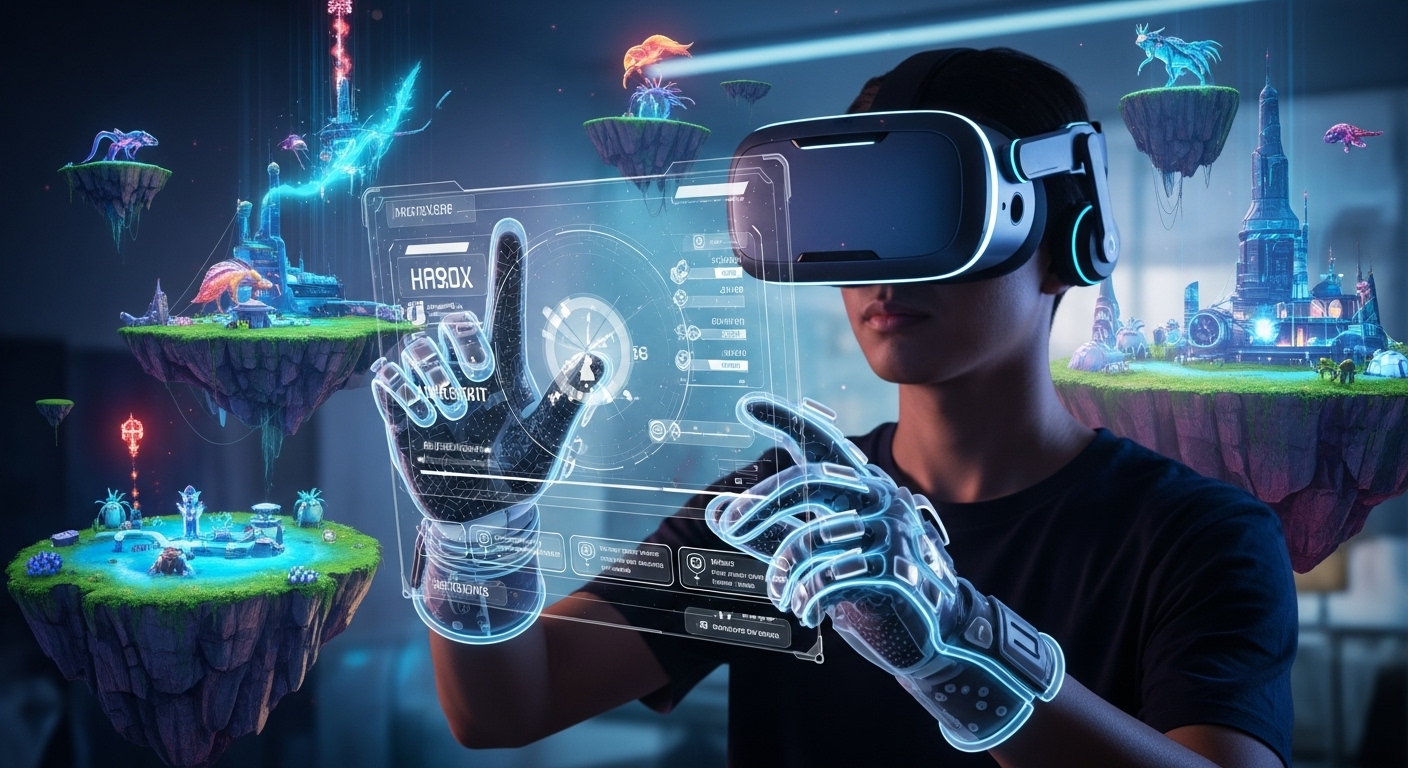
VR headsets allow players to step inside a game world, experiencing it as though they were physically present. AR adds digital layers to the physical world, enabling hybrid experiences. Together, these technologies provide the foundation for deeply immersive gaming.
Blockchain and NFTs
Blockchain technology introduces verifiable ownership of in-game assets. Players can buy, sell, and trade items through non-fungible tokens (NFTs), giving virtual goods real-world value. This has created entirely new economies around gaming.
Artificial Intelligence
AI enhances the metaverse by creating more responsive environments and lifelike non-playable characters (NPCs). It also personalizes player experiences, ensuring that each interaction feels unique.
Cloud Computing and 5G
High-speed internet and cloud gaming ensure seamless experiences without the limitations of hardware. Players can access expansive virtual worlds with minimal lag, making metaverse gaming more inclusive and accessible.
Social Interaction and Community Building
One of the most compelling aspects of metaverse gaming is its emphasis on community. Unlike traditional games where interaction is limited to chat boxes or voice communication, the metaverse enables players to socialize in fully realized environments. Avatars allow individuals to express themselves through customized digital identities, and virtual spaces act as hubs for interaction.
Players can attend concerts, hang out with friends, or join massive in-game festivals, blurring the line between gaming and real-world socialization. This sense of belonging and shared experience fosters strong communities, turning gaming into a form of digital lifestyle rather than mere entertainment.
The Economics of Metaverse Gaming
Metaverse gaming is not just about fun; it is also about creating value. The introduction of digital ownership has led to thriving in-game economies. Players can earn money by trading virtual goods, creating unique items, or offering services within the metaverse.
Play-to-earn models have become especially popular, allowing gamers to generate income through their participation. This has redefined the perception of gaming from a recreational activity to a potential career path. Entire marketplaces have emerged, where rare skins, virtual land, or even custom-designed avatars are bought and sold for significant sums of money.
Challenges Facing Metaverse Gaming
While the rise of metaverse gaming is revolutionary, it is not without challenges.
Accessibility and Cost
High-end VR headsets, powerful computers, and stable internet connections remain costly for many players, limiting widespread adoption.
Security and Privacy
As digital economies grow, so does the risk of hacking, fraud, and identity theft. Ensuring safe and secure transactions is a top priority for developers.
Regulation and Ownership
The legal framework surrounding digital ownership and NFTs is still evolving. Questions about copyright, taxation, and jurisdiction create uncertainty for players and companies alike.
Balancing Immersion with Reality
With players spending more time in virtual environments, there are growing concerns about mental health, addiction, and the potential detachment from physical reality.
Cultural Impact of Metaverse Gaming
Metaverse gaming is reshaping culture in significant ways. It is no longer unusual for major music artists to host virtual concerts attended by millions of avatars. Brands are creating digital fashion collections for players’ avatars, while educators are exploring gamified metaverse classrooms.
Gaming is becoming a central hub for entertainment, education, and commerce. It reflects a cultural shift toward digital-first lifestyles, especially among younger generations who are growing up immersed in these experiences.
The Future of Metaverse Gaming
The trajectory of metaverse gaming suggests that its influence will only grow stronger in the coming years. Future innovations may include more realistic haptic feedback, fully decentralized player-governed worlds, and integration with real-world activities such as work or fitness.
As technology becomes more affordable and accessible, metaverse gaming has the potential to reach billions of people globally. It may evolve into a parallel universe where life, work, and play merge into a seamless continuum.
Conclusion
The rise of metaverse gaming represents one of the most profound shifts in digital entertainment. What began as simple text-based multiplayer games has transformed into immersive, persistent worlds where people can live alternate digital lives. Fueled by advances in VR, blockchain, AI, and connectivity, metaverse gaming offers new ways to interact, create, and thrive.
While challenges remain, its cultural and economic potential is immense. For many, gaming in the metaverse is not just about escaping reality—it is about expanding it. The boundaries between the digital and physical worlds are dissolving, creating opportunities for connection, creativity, and innovation like never before. The rise of metaverse gaming is not just the future of gaming; it is the future of how humanity may live, play, and interact in the digital age.