Introduction: A New Era of Digital Play
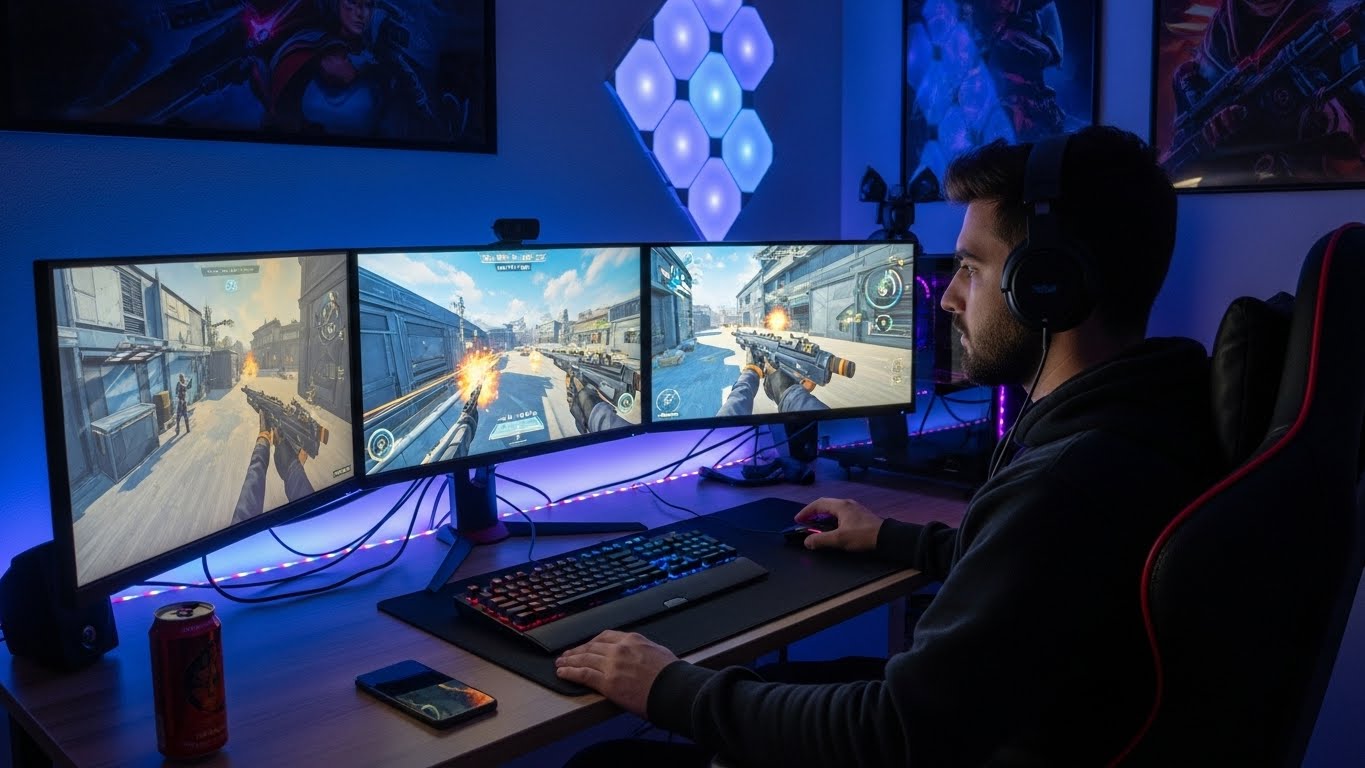
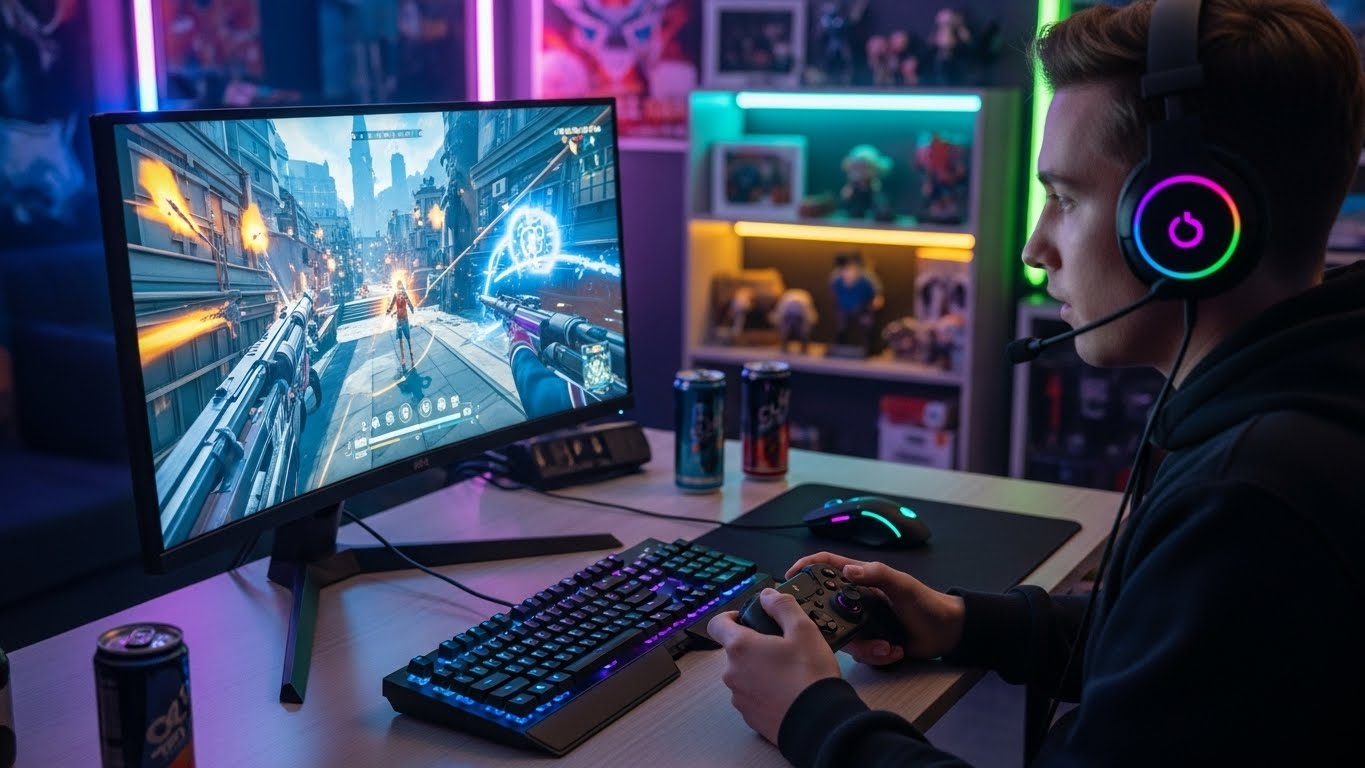
Gaming has transformed from a niche hobby into a global cultural force that influences entertainment, social interaction, education, and even professional competition. Once associated solely with arcades and simple home consoles, gaming today spans vast open worlds, immersive storytelling, and cutting-edge technology that pushes the limits of creativity. The modern player is no longer just someone seeking fun; they are explorers, strategists, creators, and competitors. As gaming evolves, it continues to redefine how people connect, learn, and experience virtual worlds.
The Rise of Immersive Experiences
One of the most remarkable aspects of gaming’s evolution is the rise of immersive experiences. Early video games offered limited graphics and straightforward gameplay. Today’s games, however, are cinematic in scope, blending photorealistic visuals, dynamic soundscapes, and complex narratives. Developers craft worlds that feel alive, where every corner offers something new to discover.
Open-world games are a perfect example of this transformation. Players no longer follow a linear path but instead roam vast landscapes filled with missions, characters, and lore. These games offer freedom of choice, allowing players to shape their own journeys. The sense of immersion is heightened further by advanced animation, environmental detail, and storytelling techniques that rival modern films.
Storytelling That Touches the Heart
Gaming has proven itself as a powerful storytelling medium capable of delivering emotional and thought-provoking narratives. Some games are celebrated for their ability to evoke deep feelings, whether through themes of friendship, loss, courage, or self-discovery. This emotional depth is achieved through character development, dialogue, and the unique interactive nature of the medium.
Unlike films or books, games allow players to participate directly in the story. They make choices that influence outcomes, build relationships with characters, and carry the weight of the consequences. This interactive element allows stories to feel personal, creating memorable moments that stay with players long after the game is over.
The Social Revolution of Online Gaming
Online gaming has changed the way people connect. What once required players to gather around a single console has now expanded into massive digital communities. Multiplayer platforms allow millions of players to interact, cooperate, and compete in shared virtual environments.
These social connections often extend beyond the games themselves. Friendships and online groups form naturally, unified by shared interests and teamwork. Entire communities come together to discuss strategies, plan events, and celebrate achievements. For many players, these virtual relationships are just as meaningful as those in the real world.
Voice chat, in-game messaging, and social features have brought a sense of companionship and belonging. Players from different cultures, languages, and backgrounds can come together through the universal language of play.
Esports and the Rise of Competitive Gaming
What began as friendly neighborhood competitions has blossomed into a global industry known as esports. Professional players train rigorously, form teams, and compete in large tournaments watched by millions. The prize pools in these competitions rival those of traditional sports, and players achieve celebrity status within the gaming community.
This competitive scene showcases the skill, dedication, and strategy required to excel in gaming. Esports athletes practice for hours each day, study opponents, and refine their teamwork. Their performances attract fans, sponsors, and organizations eager to support the rapidly growing industry.
Esports has also opened new career paths beyond professional play. Commentators, analysts, coaches, event organizers, and content creators all contribute to the thriving ecosystem of competitive gaming.
The Power of Creativity in the Gaming World
Gaming is not just about playing; it is also about creating. Modern games often include tools that allow players to design levels, characters, and entire worlds. Some platforms encourage user-generated content, leading to vast libraries of custom creations that keep games fresh and exciting.
Game development itself has become more accessible through easy-to-use software and educational materials. Aspiring developers can experiment with coding, design, and storytelling, turning their passion into a creative outlet or even a career. This democratization of game creation has led to a wave of innovative indie titles that push boundaries and introduce fresh ideas to the industry.
Gaming as a Tool for Learning
Contrary to outdated stereotypes, gaming has proven to be a valuable educational tool. Many games incorporate strategy, problem-solving, critical thinking, and creativity. Players learn to analyze situations, make decisions quickly, and adapt to challenges. These skills can transfer to real-life situations, benefiting students and professionals alike.
Educational games specifically designed for learning cover subjects like history, science, math, and language. They engage students through interactive lessons that make complex topics easier to understand. Even games not explicitly created for learning can teach teamwork, leadership, and digital literacy.
The growing interest in game-based learning shows how powerful this medium can be for education. By combining fun and knowledge, gaming creates an environment where learning feels natural and enjoyable.
The Influence of Technology on Gaming’s Growth
Technology has always driven the evolution of gaming. Modern hardware enables stunning graphics, fast processing, and seamless online connectivity. Innovations such as motion sensors, augmented reality, and virtual reality continue to push boundaries and offer players new ways to experience games.
Virtual reality deserves special mention for its ability to place players directly inside the game world. VR headsets allow users to move, interact, and explore in ways previously impossible. This level of immersion has applications not only in entertainment but also in medicine, training, and therapy.
Cloud gaming is another groundbreaking development. Instead of relying on expensive consoles or powerful computers, players can stream games directly over the internet. This makes high-quality gaming more accessible and reduces hardware limitations.
The Importance of Balance in Gaming
While gaming offers countless benefits, maintaining balance is essential. Spending too much time playing can interfere with responsibilities, health, and relationships. Moderation ensures that gaming remains a positive and enjoyable part of life.
Players can adopt healthy habits such as taking breaks, managing screen time, and staying physically active. When approached responsibly, gaming becomes a rewarding hobby that enhances rather than disrupts daily life.
Parents also play a key role in guiding young gamers. By understanding the types of games their children enjoy and setting appropriate boundaries, parents can help ensure that gaming supports development and creativity.
The Future of Gaming: What Lies Ahead
The future of gaming is filled with possibilities. As technology continues to advance, players can expect even more immersive worlds, intelligent storytelling, and innovative mechanics. Artificial intelligence may play a bigger role in shaping adaptations and interactions within games. Developers could create dynamic stories that respond to player personalities and decisions on a deeper level.
Cross-platform play will likely become even more common, allowing friends to play together regardless of device. Additionally, the blending of virtual and physical experiences through augmented reality may redefine how people think about gaming and daily life.
Another exciting frontier is the potential for games to create new forms of art. As visual techniques evolve and storytelling becomes more profound, gaming may become one of the most influential art forms of the modern era.
Conclusion: A World Connected Through Play
Gaming has come a long way from its early days. What was once simple entertainment has grown into a multidimensional experience that shapes culture, technology, and human connection. Players today explore breathtaking worlds, forge real friendships, compete on global stages, and immerse themselves in powerful stories. Gaming continues to evolve, offering endless possibilities for creativity, learning, and adventure.
In this ever-changing digital landscape, one truth remains clear: gaming is more than a pastime. It is a vibrant, dynamic universe that brings people together and inspires minds across the world. As technology advances and imagination flourishes, gaming will continue to expand its influence and redefine what it means to play.