Introduction: A New Era of Play
Gaming has evolved from a simple pastime into a global cultural force. What once began as pixelated characters jumping across flat screens has transformed into sprawling virtual universes, cinematic narratives, and competitive arenas rivaling traditional sports. Today, gaming is not only entertainment; it is a lifestyle, a learning tool, and a social platform. As technology continues to advance, gaming affects how we think, how we interact, and even how we approach challenges in the real world. This blog explores the multifaceted world of modern gaming and how it influences players of all ages.
The Evolution of Gaming: From Pixels to Immersion
To understand gaming today, one must appreciate how far it has come. Early games were built on simple mechanics and limited graphics, yet they laid the foundation for everything that followed. Modern games boast photorealistic environments, complex physics systems, and narratives comparable to award-winning films. The shift from cartridges and floppy disks to digital downloads and cloud libraries has changed how players access and experience games. It is no longer just about playing on a console or PC; gaming has expanded across mobile devices, augmented reality, and virtual reality. Each advancement brings a deeper level of immersion, making the player feel like an active participant rather than an observer.
The Rise of Competitive Esports and the New Age Athlete
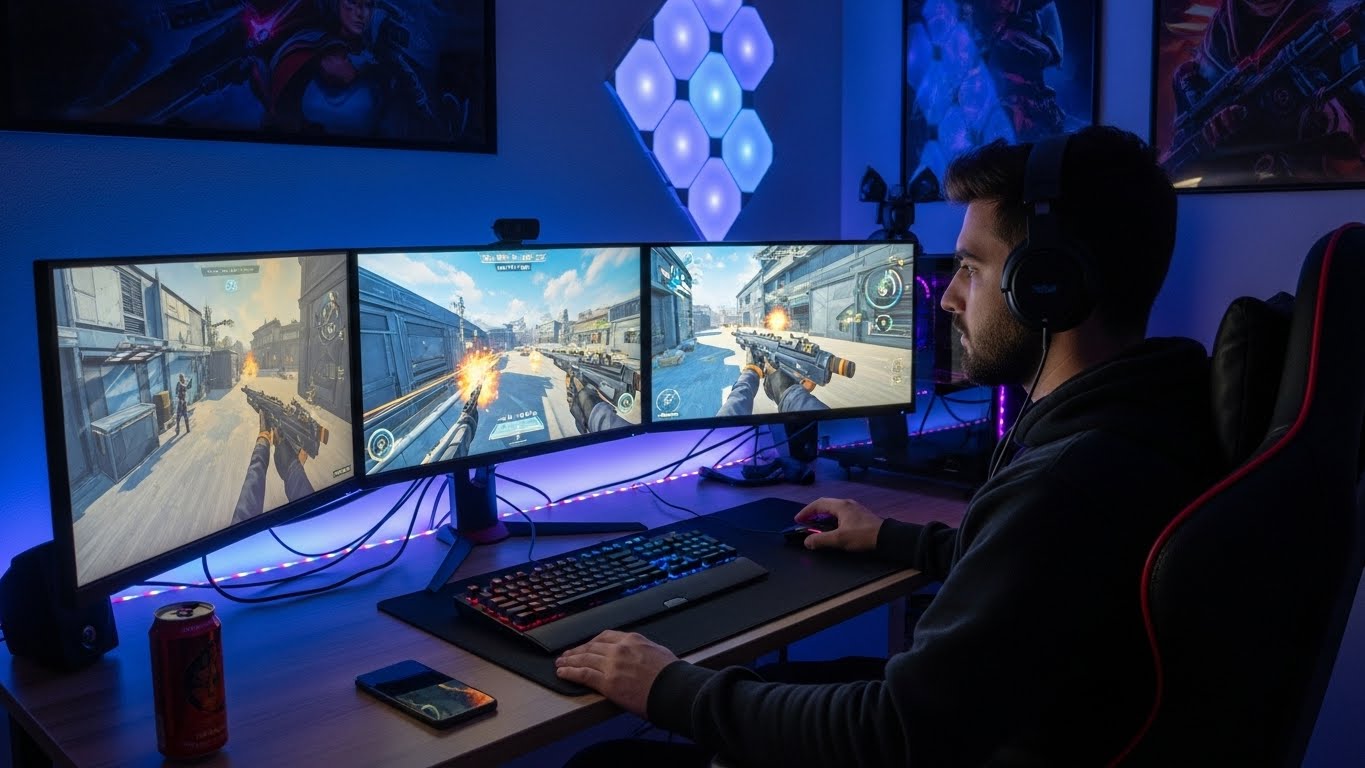
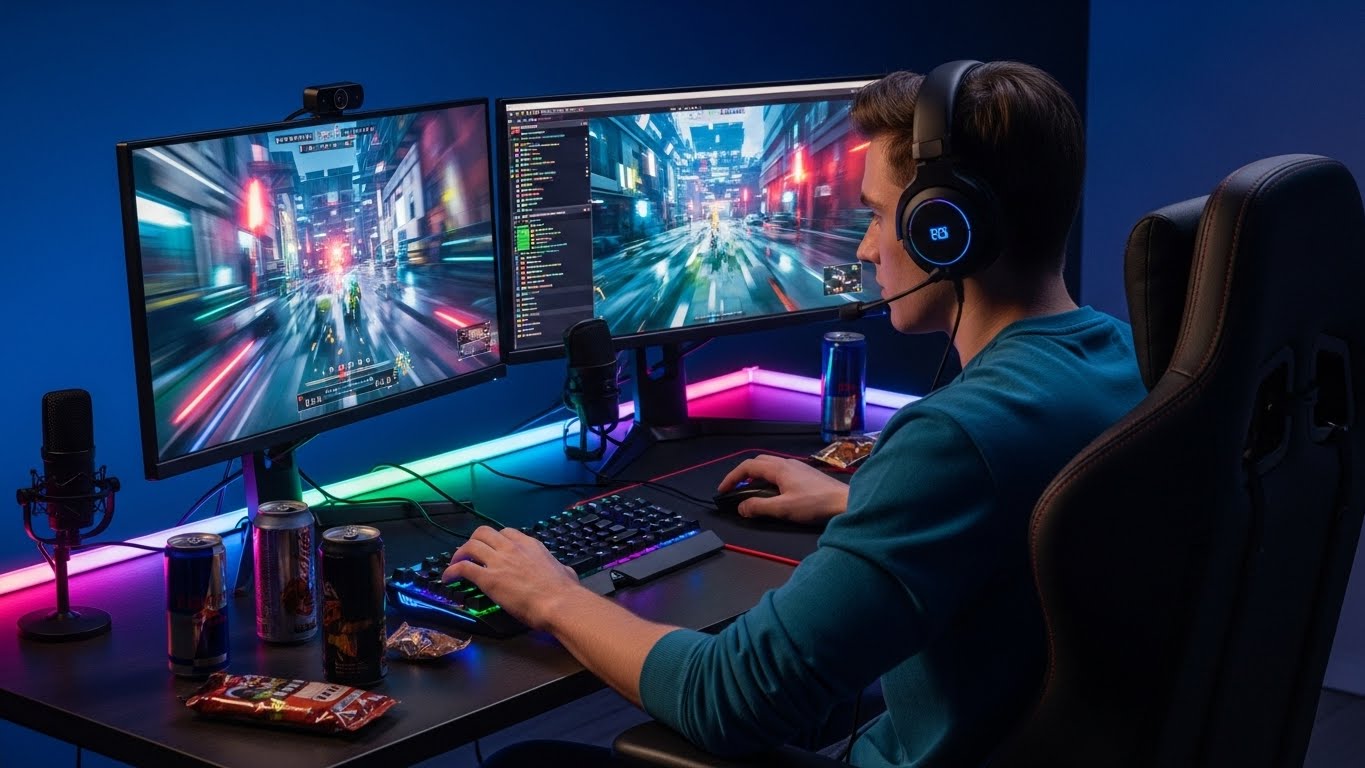
Competitive gaming, or esports, has become a worldwide phenomenon. Professional players train for hours daily, refining reflexes, strategizing with teammates, and studying opponents. What used to be seen as a hobby is now a legitimate profession with tournaments, sponsors, coaches, and millions of fans. The excitement of esports lies not only in the games themselves but also in the personalities behind the controllers. Viewers cheer for their favorite teams, follow player rivalries, and celebrate dramatic last-second victories. Esports require discipline, teamwork, and mental endurance, proving that the digital battlefield can be as demanding as any traditional sport.
Gaming as a Social Hub: More Than Just Multiplayer
One of the most significant shifts in gaming culture is its role as a social platform. Many players log in not only to complete missions but to spend time with friends who may be continents away. Voice chat, shared quests, and cooperative challenges foster connection in ways that transcend physical distance. Gaming communities often become spaces where friendships form, where teamwork is essential, and where players of all backgrounds meet on equal ground. These spaces encourage collaboration, communication, and empathy, reshaping what social interaction looks like in the digital age.
The Art of Storytelling in Games
Gaming is now one of the most powerful storytelling mediums. Developers craft worlds filled with emotional depth, moral dilemmas, and unforgettable characters. Unlike traditional storytelling, games allow players to influence outcomes, making each experience unique. Whether solving mysteries, navigating political intrigue, or surviving harsh environments, players participate in stories rather than simply observe them. This interactive element makes the emotional impact stronger, leaving lasting impressions long after the screen goes dark. As technology grows, so does the potential for even richer, more immersive narratives.
Skill Development: What Gaming Really Teaches
Contrary to outdated stereotypes, gaming can develop real-world skills. Strategic games enhance problem-solving abilities and teach players to analyze situations from multiple angles. Fast-paced action games improve hand-eye coordination and reaction time. Cooperative games strengthen communication, leadership, and teamwork. Even resource-management titles can teach budgeting, planning, and multitasking. These skills are not just useful in games—they translate into academic, professional, and personal success. Many teachers and employers now recognize the value of gaming experience, especially when it demonstrates perseverance and adaptability.
The Psychology of Play: Why Games Hook Us
Games are designed to be engaging, offering constant feedback through rewards, achievements, and progress indicators. This system taps into basic human psychology: the desire to accomplish goals, unlock new abilities, and overcome challenges. But beyond the reward system, games provide a sense of control in a world where many things feel uncertain. Players can explore, experiment, fail, and try again without real-world consequences. This environment encourages creative thinking and resilience. It fosters a mindset that views failure as part of the learning process rather than something to avoid.
Gaming and Creativity: Building More Than Worlds
Many modern games offer tools for creativity, allowing players to build structures, craft items, design characters, and even create entire worlds. Sandbox and building games spark imagination and innovation. Players learn about architecture, engineering, and design principles without even realizing it. Creative expression flourishes in environments where experimentation is encouraged and boundaries are minimal. Some players even use in-game creation tools to develop digital art, stories, and music. Gaming has become an outlet for creative minds to experiment and share their visions with the world.
The Role of Gaming Communities and Culture
Gaming culture is vibrant and diverse, shaped by millions of players worldwide. Conventions, online forums, fan art, cosplay, and content creation all contribute to a dynamic ecosystem. Gamers build communities around shared experiences, whether celebrating victories or analyzing game lore. These communities often welcome newcomers and offer support, advice, and encouragement. Gaming culture helps create identity and belonging, giving players a place where passion and enthusiasm are understood and appreciated.
Accessibility in Gaming: Opening Worlds for Everyone
In recent years, the gaming industry has made tremendous progress in accessibility. Developers now include customizable controls, subtitles, colorblind modes, audio cues, and assistive features. These innovations ensure that more people, regardless of physical or cognitive ability, can enjoy gaming. This shift represents a broader understanding that games should be inclusive, welcoming players from all walks of life. As accessibility continues to improve, gaming becomes not only more diverse but also more meaningful, reaching a larger audience than ever before.
The Future of Gaming: Beyond Imagination
The next frontier of gaming promises to redefine reality itself. Virtual reality and augmented reality are already transforming how players engage with environments, blurring the line between digital and physical worlds. Artificial intelligence is creating more dynamic, responsive characters and environments. Cloud gaming removes hardware limitations, allowing anyone with a screen and an internet connection to explore high-quality games. The future may even involve neural interfaces or fully immersive simulations where players feel sensations beyond sight and sound. With each innovation, gaming inches closer to an entirely new form of human experience.
The Impact of Gaming on Daily Life
Gaming influences more than entertainment; it shapes perspectives, habits, and emotions. For many players, games provide stress relief after long days, offering worlds where they can unwind and recharge. For others, gaming stimulates creativity, encourages problem solving, or inspires new interests. Some players discover a passion for coding, art, music, or storytelling after experiencing inspiring game worlds. Gaming can also strengthen social bonds, especially in families and friendships where playing together becomes a shared tradition. When balanced well, gaming enriches daily life and contributes to personal growth.
Responsible Gaming: Striking the Right Balance
Like any form of entertainment, gaming must be experienced responsibly. Healthy gaming involves balancing playtime with work, study, and physical activity. Many players now set goals, manage screen time, and engage in mindful play. Developers also contribute by including features that help track time or encourage breaks. Responsible gaming ensures that players continue to enjoy the benefits of the digital world without sacrificing well-being. When approached thoughtfully, gaming remains a positive force that enhances life rather than detracting from it.
Conclusion: The Power and Potential of Play
Gaming stands at the intersection of technology, creativity, and human connection. It entertains, educates, inspires, and unites. Whether exploring vast landscapes, competing in intense battles, or collaborating with friends across the globe, players enter worlds where possibilities are endless. As gaming continues to evolve, its influence will only grow stronger, shaping future generations and redefining what it means to play. The digital battleground is more than a leisure activity; it is a cultural phenomenon that reflects our collective imagination, challenges our skills, and expands our understanding of what storytelling and interaction can be.