
Introduction: Gaming in the Modern Era
Gaming has evolved far beyond its early days as a simple form of amusement. Today, it is a complex, immersive, and multifaceted medium that influences entertainment, technology, culture, and social interaction. Millions of people across the globe spend hours exploring virtual worlds, solving puzzles, competing in online arenas, and engaging with communities. Gaming is no longer merely a hobby; it is a form of expression, a career path, and a cultural force that shapes how we connect, think, and play.
The Evolution of Video Games
The history of gaming is a story of technological innovation and creative ambition. Early video games, such as Pong and Space Invaders, were simple in design but revolutionary for their time. As hardware and software improved, games became more sophisticated, offering complex narratives, expansive worlds, and advanced graphics. Modern games now incorporate photorealistic visuals, dynamic physics, and artificial intelligence, creating experiences that feel alive and responsive. This evolution demonstrates gaming’s progression from casual entertainment to a medium capable of storytelling, artistry, and emotional engagement.
Social Interaction Through Gaming
One of the most profound changes in gaming has been its social dimension. Online multiplayer platforms allow players to connect with friends, family, and strangers worldwide. Cooperative gameplay encourages teamwork, communication, and shared problem-solving, while competitive modes foster strategic thinking and resilience. Gaming communities form both online and offline, with players sharing experiences, tips, fan art, and live streams. These social connections illustrate that gaming is not just about individual enjoyment—it is also a powerful platform for human interaction and community building.
Competitive Gaming and Esports
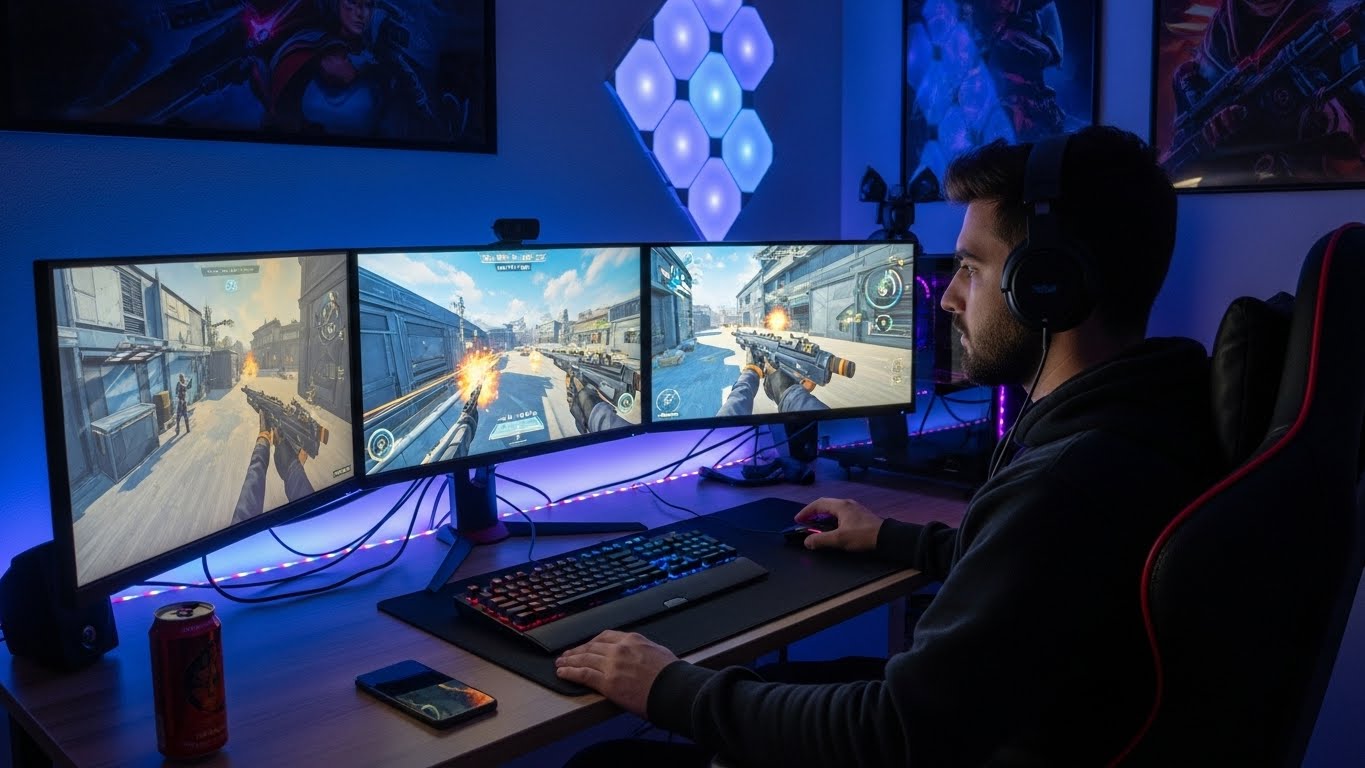
Competitive gaming, or esports, has become a global phenomenon. Professional players participate in tournaments with massive audiences and substantial prize pools. Popular titles include first-person shooters, MOBAs, sports simulations, and battle royale games. Esports demands skill, precision, teamwork, and mental resilience. The industry has created careers beyond playing, including coaching, broadcasting, and content creation. Esports exemplifies how gaming has evolved into a professional arena, where dedication and talent are rewarded both competitively and financially.
Immersive Storytelling in Games
Video games offer unique opportunities for storytelling. Unlike movies or books, games allow players to influence narratives, make choices that shape outcomes, and inhabit characters’ experiences. Role-playing games and narrative-driven titles explore themes such as morality, identity, and human relationships. The interactive nature of games makes the emotional journey more personal and impactful, fostering empathy and engagement. Gaming storytelling demonstrates that this medium is not only for entertainment but also for exploring complex ideas and emotional depth.
Technology and Gaming Innovation
Technological advancements have continually redefined gaming. High-definition graphics, virtual reality, augmented reality, and cloud gaming enhance immersion and accessibility. Motion-sensing controllers and haptic feedback create physical engagement, while AI-driven characters offer adaptive challenges. Cloud gaming allows access to high-quality titles without the need for expensive hardware, making gaming more inclusive. Technology in gaming is not only about visual and audio fidelity—it also enables interactivity, creativity, and deeper player engagement.
Gaming as a Creative Platform
Games provide unparalleled opportunities for creativity. Sandbox titles, level editors, and modding communities allow players to design worlds, craft narratives, and share their creations. Creative gaming fosters imagination, problem-solving, and artistic expression. Even competitive games require innovative strategies and teamwork. By offering tools for personal expression and experimentation, gaming encourages players to think creatively and explore their own ideas in ways that traditional media cannot.
Emotional and Cognitive Benefits
Gaming is not purely recreational; it also offers emotional and cognitive benefits. Challenging gameplay develops problem-solving skills, strategic thinking, and mental agility. Narrative-driven games encourage empathy and moral reflection. Players experience a range of emotions, from triumph to tension to joy, which contributes to emotional intelligence and resilience. Studies have shown that moderate gaming can enhance memory, attention, and decision-making. The cognitive and emotional engagement in gaming demonstrates its potential as both entertainment and personal development.
Mental Health and Well-Being
Contrary to outdated stereotypes, gaming can positively impact mental health. It provides stress relief, a sense of achievement, and opportunities for social connection. Puzzle and strategy games improve analytical skills, while multiplayer games foster camaraderie and reduce feelings of isolation. Gaming can serve as a therapeutic outlet, offering immersive experiences that help players relax, focus, and engage with challenges in a controlled environment. When balanced with daily responsibilities, gaming can contribute meaningfully to mental well-being.
Gaming Communities and Culture
Gaming has grown into a cultural force, shaping music, fashion, art, and media. Iconic games and characters influence pop culture and inspire creativity across disciplines. Online communities create spaces for collaboration, discussion, and shared experiences. Gaming also allows players to explore different perspectives, cultural narratives, and social issues, fostering understanding and empathy. The culture of gaming reflects the values, creativity, and interests of its global audience, highlighting its impact beyond mere entertainment.
The Future of Gaming
The future of gaming promises unprecedented immersion and interactivity. Advancements in AI, virtual reality, and cloud technology will create dynamic, adaptive game worlds that respond to players’ choices in real time. Cross-platform gaming and persistent online universes will blur the lines between digital and real-life experiences. Gaming will increasingly intersect with education, storytelling, and social interaction, offering experiences that are both entertaining and intellectually stimulating. The evolution of gaming continues to push the boundaries of creativity, technology, and human connection.
The Role of Player Agency
A defining feature of modern gaming is player agency—the ability to make meaningful choices that shape the experience. Players control characters, influence narratives, and explore worlds on their own terms. This empowerment fosters creativity, decision-making, and strategic thinking. Player agency distinguishes games from other forms of entertainment, providing interactive experiences where engagement and personal choice define the journey. It is this interactivity that makes gaming a deeply immersive and unique medium.
Gaming Across Generations
Gaming is not limited by age. People grow up with franchises, revisit classic titles, and share games with friends and family. The industry caters to casual players, hobbyists, and professional competitors alike. Games adapt to various skill levels, interests, and platforms, ensuring that everyone can participate. As technology evolves, gaming continues to engage multiple generations, offering entertainment, challenge, and connection over a lifetime.
Ethics and Community Responsibility
Gaming communities play a vital role in maintaining positive experiences. Respectful interactions, inclusivity, and sportsmanship are essential to fostering safe environments. Developers and players share responsibility for creating spaces free from harassment, toxicity, and cheating. By promoting collaboration, fairness, and ethical behavior, the gaming community ensures that everyone can enjoy immersive, rewarding experiences. Healthy communities strengthen the cultural and social impact of gaming.
Conclusion: Gaming Beyond Entertainment
Gaming is more than just a form of leisure; it is a dynamic, evolving medium that influences culture, technology, social interaction, and personal growth. From competitive esports to immersive storytelling and creative expression, gaming provides experiences that entertain, educate, and inspire. It fosters communities, challenges the mind, and evokes emotion, making it a powerful tool for engagement and connection. As the industry continues to innovate, gaming will remain a central force in shaping the way people play, interact, and imagine in the digital era.