Introduction: The Growing Influence of Gaming
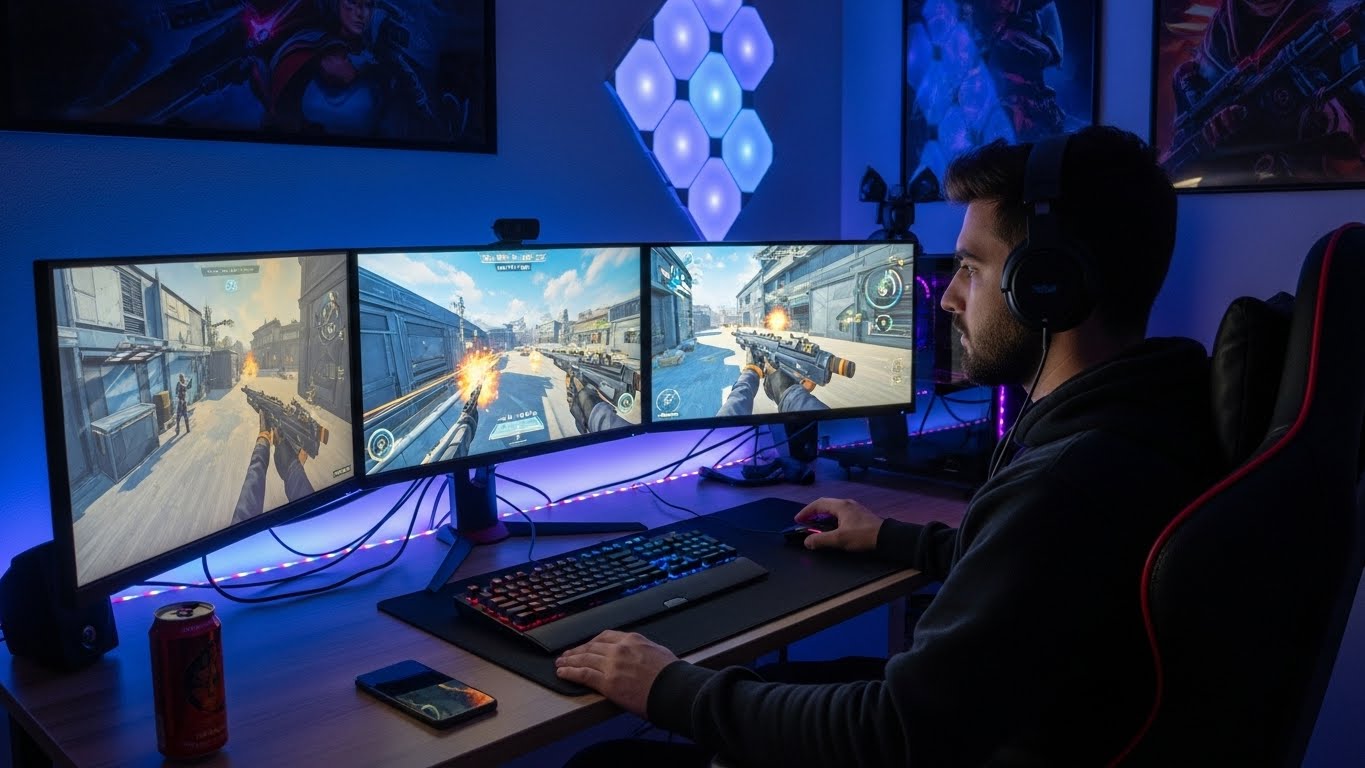
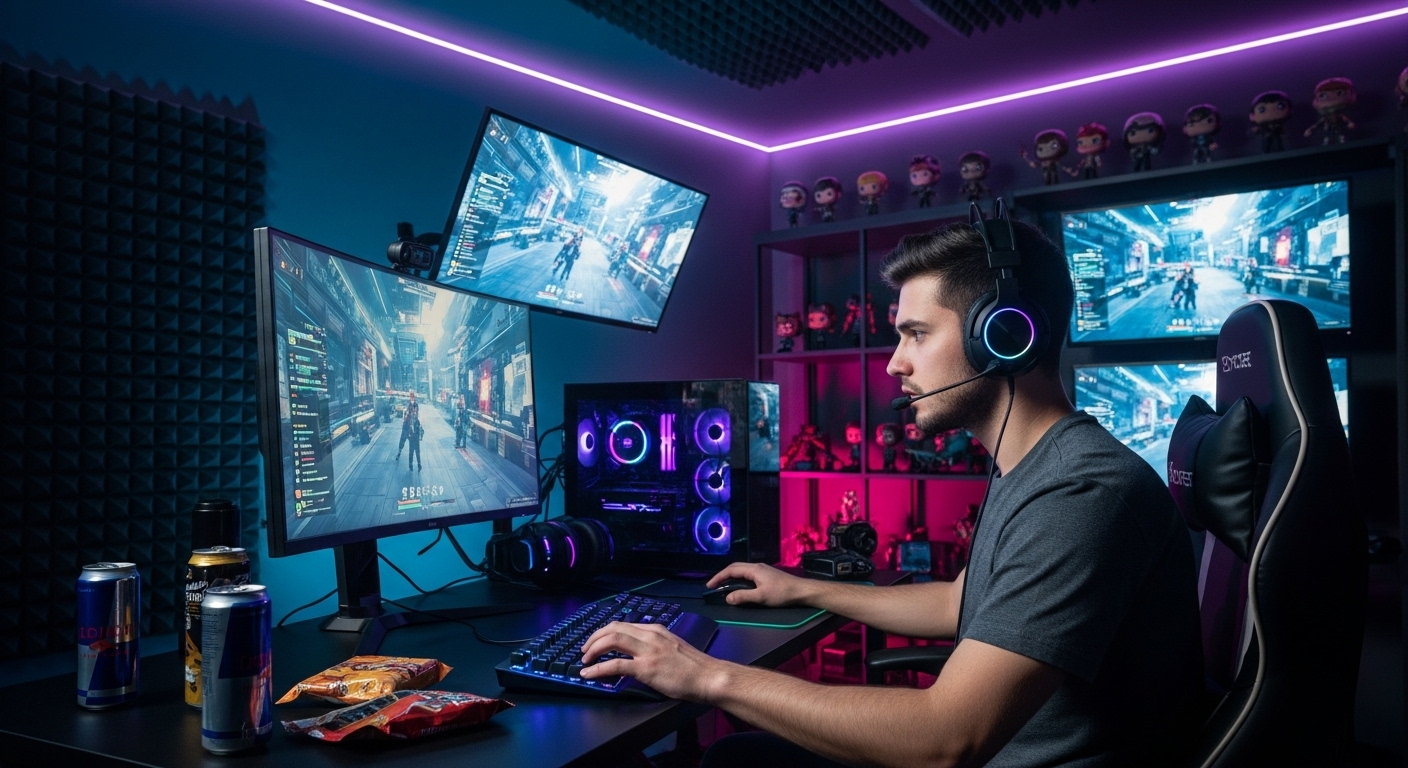
Gaming has evolved into one of the most influential forms of entertainment in the modern era. From simple board games and early video consoles to immersive online worlds and competitive esports, gaming has become an integral part of human culture. Today, it is more than just a pastime; it is a platform for creativity, learning, socialization, and professional opportunity. Gaming allows people to explore new worlds, test their skills, and connect with others in ways that were unimaginable just a few decades ago. This blog explores the multifaceted impact of gaming, its role in shaping culture, and the future it promises.
The Evolution of Gaming
The history of gaming spans centuries, beginning with physical games and puzzles that entertained and educated ancient societies. Traditional games such as chess, Go, and card games were not only recreational but also encouraged strategic thinking and social interaction. With the advent of technology, the gaming landscape transformed dramatically.
Early video games were simple and pixelated, yet they captivated players worldwide. Over the years, technological advances in computing power, graphics, and connectivity have transformed gaming into a multi-dimensional experience. Today’s games feature expansive open worlds, sophisticated storylines, and multiplayer capabilities that connect players globally. This evolution highlights gaming’s ability to adapt and reinvent itself with every technological leap.
The Entertainment Value of Gaming
Entertainment remains at the heart of gaming. Unlike passive activities like watching television or reading, gaming is interactive, requiring active participation from the player. Gamers make decisions, solve problems, and influence outcomes, creating an immersive experience that is both engaging and personal.
Gaming encompasses a wide variety of genres. Action games challenge reflexes, role-playing games immerse players in storytelling and character development, simulation games mirror real-life scenarios, and puzzle games stimulate critical thinking. This diversity ensures that gaming can appeal to people of all ages, interests, and skill levels, making it a universally accessible form of entertainment.
Cognitive and Skill Development Through Gaming
Gaming offers significant cognitive benefits that extend beyond recreation. Many games challenge players to think critically, plan strategically, and adapt quickly. Strategy and puzzle games improve problem-solving abilities, memory, and analytical thinking, while fast-paced games enhance attention, multitasking, and hand-eye coordination.
Role-playing and adventure games stimulate creativity by encouraging exploration, experimentation, and imaginative thinking. Even casual gaming can improve decision-making skills, pattern recognition, and cognitive flexibility. Through consistent engagement, gaming exercises the brain, much like a mental workout, providing both entertainment and developmental value.
Gaming as a Tool for Creativity
Creativity thrives in the gaming world. Sandbox games allow players to design and build their own worlds, characters, and challenges. Role-playing games enable players to experiment with narratives, choices, and consequences, fostering imaginative thinking.
The creative aspect of gaming extends beyond gameplay. Fans often create mods, artwork, videos, and fan fiction inspired by their favorite games. This participatory culture encourages collaboration, skill development, and the sharing of ideas. For many, gaming becomes a gateway to careers in design, storytelling, and digital media, bridging entertainment with professional opportunities.
Social Connections and Community Building
Gaming today is highly social. Online multiplayer games connect players from across the globe, fostering friendships and collaborative teamwork. Players communicate through chat, voice, and in-game actions, building bonds that often extend beyond the game itself.
Gaming communities are inclusive spaces where players share experiences, celebrate achievements, and support each other. These communities can be local or international, formal or informal, but they all serve as hubs for social interaction. Gaming strengthens teamwork, communication, leadership, and social engagement skills, making it a valuable social platform.
Gaming in Education
Educational gaming has become a significant field in modern learning. Games provide interactive and engaging ways to teach subjects like mathematics, science, history, and language skills. Gamified learning encourages students to experiment, solve problems, and explore new concepts, making education more immersive and effective.
Simulation games are especially useful for teaching real-world skills. Flight simulators, business simulations, and medical training games allow learners to practice complex tasks safely. By integrating gaming into education, schools and universities harness the motivational power of play, enhancing cognitive development and lifelong learning.
Competitive Gaming and Esports
Esports, or competitive gaming, has transformed the industry into a professional and highly lucrative field. Players compete at national and international levels in games like League of Legends, Dota 2, and Fortnite. These competitions attract millions of viewers, massive prize pools, and sponsorship deals.
Competitive gaming requires discipline, strategic thinking, and advanced mechanical skills. Professional players undergo rigorous training routines and collaborate closely with teammates and coaches. Esports has given gaming legitimacy as a professional pursuit, creating career opportunities not only for players but also for content creators, analysts, and event organizers.
Technology and the Future of Gaming
Technology has driven gaming to new heights. Advanced graphics, artificial intelligence, and faster processors have created immersive and realistic experiences. Online connectivity allows players to interact globally, fostering dynamic communities and competitions.
Emerging technologies such as virtual reality, augmented reality, and cloud gaming are transforming how players engage with digital worlds. Motion sensors, haptic feedback, and adaptive AI make gameplay more interactive and realistic. Mobile gaming has also democratized access, allowing millions to play anywhere, anytime. Technology ensures that gaming continues to evolve, blending entertainment, creativity, and innovation.
Gaming and Mental Health
Gaming can positively impact mental health when enjoyed in moderation. It provides stress relief, relaxation, and a sense of accomplishment. Cooperative and multiplayer games foster social interaction, reducing feelings of isolation and loneliness.
Certain games are designed to be therapeutic, supporting cognitive rehabilitation or emotional well-being. Puzzle, strategy, and simulation games encourage problem-solving and critical thinking. Gaming creates a safe space for players to explore challenges, set goals, and build confidence.
The Business of Gaming
The gaming industry is one of the largest and fastest-growing sectors in the world. Revenue comes from game sales, in-game purchases, subscriptions, merchandising, and media rights. Major gaming events and Esports tournaments contribute significantly to local and global economies.
The industry also fosters entrepreneurship. Independent developers can achieve success through digital distribution platforms, proving that creativity and innovation can compete with large studios. Careers in game development, design, animation, marketing, and content creation continue to expand, reflecting gaming’s economic and professional significance.
Gaming and Cultural Representation
Games often reflect cultural stories, history, and traditions, providing a platform for diverse narratives. Players experience different perspectives and contexts, enhancing empathy and understanding. Developers increasingly prioritize representation, ensuring characters and worlds reflect a variety of backgrounds, experiences, and identities.
Cultural representation in gaming strengthens the medium as an artistic and educational platform. It connects global audiences, facilitates cultural exchange, and reinforces gaming as a universal form of storytelling.
The Future of Gaming
The future of gaming is vibrant and limitless. Advances in virtual reality, artificial intelligence, and interactive storytelling will create increasingly immersive and adaptive experiences. Games will continue to integrate with other media, including films, television, and music, creating multi-platform entertainment ecosystems.
Cloud gaming, mobile access, and global connectivity will expand audiences, allowing more people to participate in gaming communities. Gamification of education, fitness, and work will also increase, demonstrating that gaming has applications beyond leisure. The future promises deeper engagement, innovation, and global connectivity in the world of gaming.
Conclusion: Gaming as a Transformative Medium
Gaming is far more than a source of entertainment. It is a transformative medium that fosters cognitive development, creativity, social connection, and professional opportunity. From casual mobile games to competitive esports, gaming shapes culture, drives technological innovation, and creates new avenues for learning and expression.
As technology continues to advance and communities grow, gaming will maintain its position as a powerful cultural, educational, and economic force. It challenges individuals to think strategically, collaborate effectively, and explore creatively. Gaming is not just play—it is a reflection of human imagination, resilience, and the endless potential of interactive digital experiences.