Introduction: The Rise of a Global Phenomenon
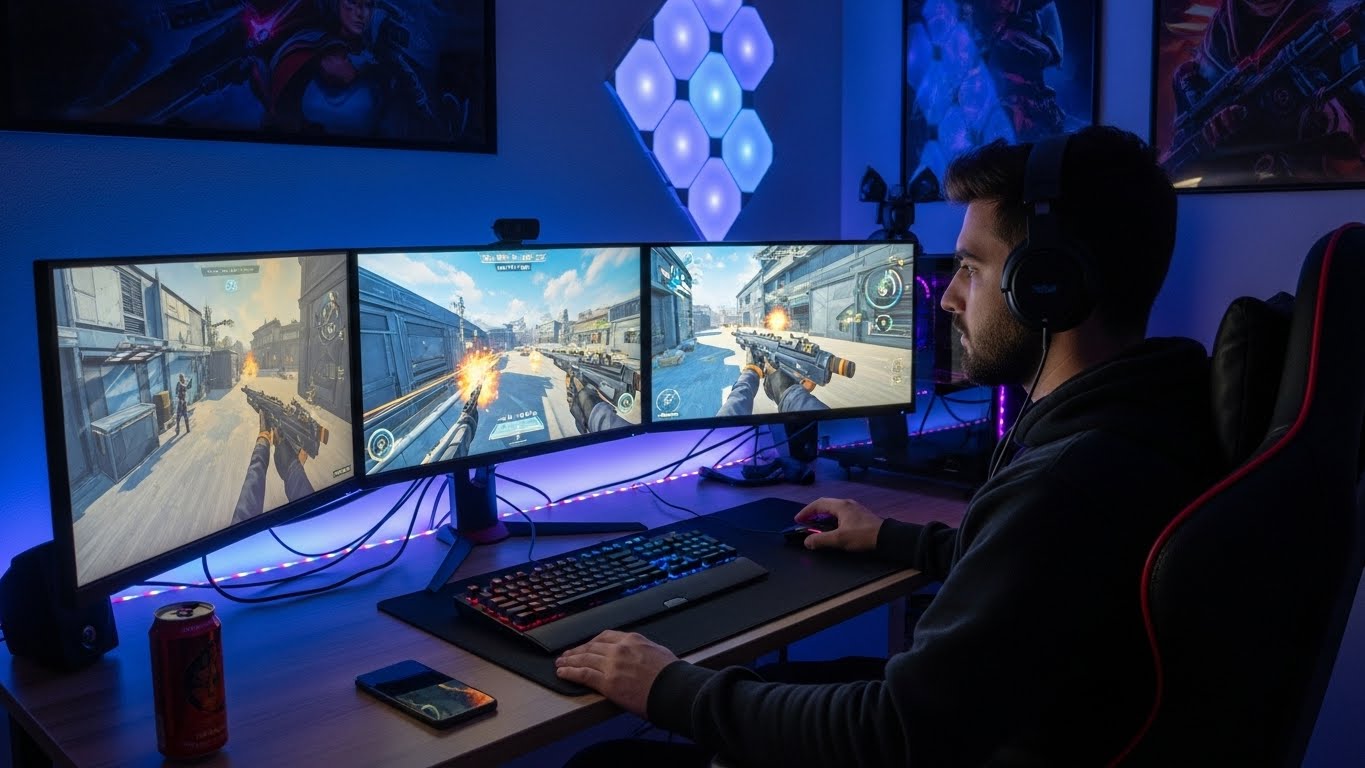
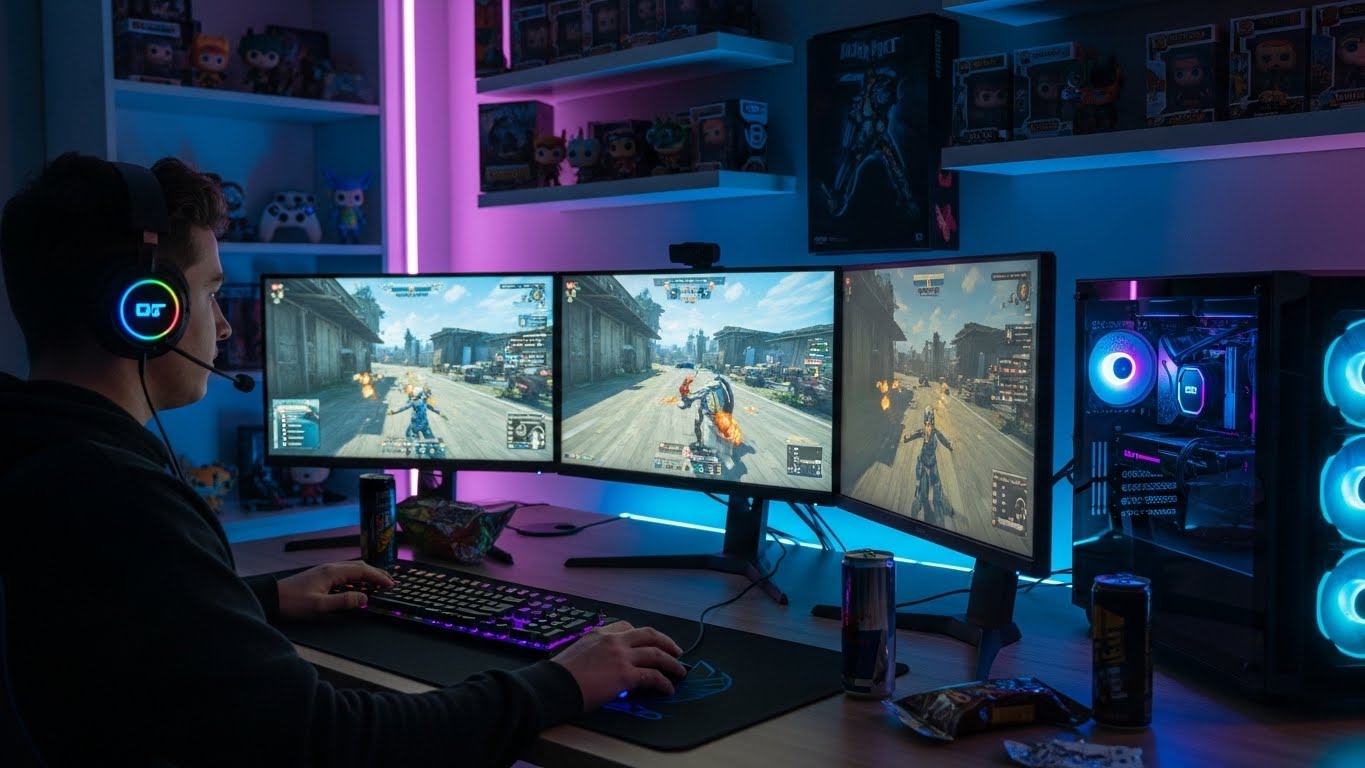
Gaming has transformed from a niche hobby into one of the most influential cultural forces of the twenty-first century. What was once considered a pastime reserved for arcades and living rooms has blossomed into an expansive discipline encompassing technology, storytelling, competitive sports, and digital communities. Whether someone plays casually on a phone during a commute or spends hours immersed in a sprawling online universe, gaming has become a universal language. In this blog, we will explore the evolution, impact, and future of gaming while celebrating how it brings imagination, skill, and community together in unprecedented ways.
From Pixels to Photorealism: How Gaming Technology Has Evolved
The evolution of gaming technology mirrors the rapid advancement of digital innovation. Early games relied on simple mechanics and blocky pixels, yet they captured the hearts of millions through creativity and charm. Today, the industry has expanded into breathtaking realms powered by cutting-edge engines, high-resolution graphics, and immersive soundscapes.
What makes this evolution extraordinary is not just the visual improvement but the increased depth and intelligence of gameplay. Real-time physics, adaptive artificial intelligence, and intricate world-building have transformed gaming into an art form. Players no longer simply press buttons to control characters; they experience fully realized worlds that respond dynamically to their actions. The sophistication of modern visuals has created a bridge between cinema and gaming, giving players interactive stories that rival blockbuster films.
The New Age of Storytelling: Games as Emotional Journeys
While technology lays the foundation, storytelling gives games their soul. As gaming matured, creators began using the medium to explore profound emotional narratives. Today’s games tackle themes like loss, identity, resilience, and justice with a depth that often surprises newcomers.
Interactive storytelling empowers players to shape the narrative through their decisions, forging emotional connection in ways traditional media cannot replicate. Gamers do not just watch a hero struggle; they participate in the triumphs and failures. This sense of agency is unique to the gaming world and has led to memorable experiences that resonate long after the screen fades.
Gaming Communities: Digital Gatherings That Feel Like Home
One of gaming’s greatest strengths lies in its ability to connect people. Online communities, once small and scattered, have grown into vibrant ecosystems filled with diverse players from around the world. Popular games host daily interactions among millions of individuals who share strategies, build friendships, and collaborate toward mutual goals.
These communities thrive because they provide spaces where everyone, regardless of background, can belong. A player who feels isolated in daily life may find comfort in teammates who appreciate their personality and skill. Events such as virtual concerts, in-game festivals, and large-scale cooperative missions create bonds that feel surprisingly genuine. Gaming is no longer an isolated activity; it has become a social network of creativity and camaraderie.
Esports: Competition Elevated to a Global Spectacle
Competitive gaming has reached a level once thought impossible. Esports has evolved into an industry with professional athletes, strategic coaching, specialized training, and massive global audiences. What makes esports fascinating is its accessibility. Anyone with talent, dedication, and access to a game can rise through the ranks.
Tournaments draw crowds comparable to traditional sports events, and the level of skill on display is extraordinary. Esports pros exhibit lightning-fast reflexes, meticulous strategy, and impeccable teamwork. This field demonstrates how gaming is not merely about entertainment but also discipline and mastery. Young players around the world look up to esports champions, seeing them as proof that passion and perseverance can lead to remarkable success.
Gaming and Mental Health: A Powerful Source of Stress Relief
Beyond competition and storytelling, gaming has shown immense value as a tool for relaxation and emotional well-being. Many players use games as a healthy escape from the pressures of everyday life. The act of solving puzzles, exploring imaginative worlds, or engaging in friendly online battles can provide a sense of achievement and tranquility.
Moreover, certain games are intentionally designed to promote mindfulness, patience, and positive emotions. Cooperative experiences encourage empathy and communication, while creative-building games give players the opportunity to express themselves freely. It is important to recognize that, like any activity, moderation is key. However, when balanced appropriately, gaming can be a positive force that supports mental well-being.
The Role of Creativity: Games as Platforms for Expression
Some of the most remarkable aspects of modern gaming come from players themselves. Many games offer tools that allow communities to create their own worlds, characters, and stories. This shift transforms players into artists, enabling limitless creativity.
Whether building elaborate structures, designing custom characters, or crafting intricate storylines, players contribute to living digital environments that continue to grow long after a game’s initial release. Creative gameplay fosters imagination and innovation, encouraging players to experiment with ideas that might not be possible in real life. This collaborative creativity strengthens the bond between developers and players, allowing gaming worlds to evolve continuously.
The Future of Gaming: A Blend of Reality and Imagination
As technology continues advancing, the future of gaming looks more exciting than ever. Developments like virtual reality, augmented reality, and cloud streaming promise to reshape how players interact with digital environments. Virtual reality introduces full sensory immersion, allowing players to experience games from a first-person perspective that feels incredibly lifelike. Augmented reality blends gameplay with real-world surroundings, merging imagination with daily life.
Artificial intelligence is set to revolutionize the industry further by creating smarter, more responsive worlds. Characters may one day exhibit personalities that evolve based on player choices. Environments could adapt dynamically, ensuring no two gameplay experiences are ever the same. These innovations hint at a future where gaming becomes an even more personalized and enriching activity.
Education Meets Entertainment: Learning Through Play
One of the most exciting developments in gaming is its growing role in education. Teachers and students have discovered that games provide engaging ways to learn complex subjects. Interactive simulations can teach science and mathematics in a way that feels intuitive and exciting. Historical games allow players to experience past civilizations firsthand, deepening understanding through immersion.
Educational gaming is particularly powerful because it encourages problem-solving, critical thinking, and collaboration. Students are more likely to retain information when they are actively participating rather than passively observing. The fusion of learning and gaming opens doors to new teaching strategies that feel both effective and enjoyable.
A Universal Space for All: Diversity and Inclusion in Gaming
As gaming becomes more mainstream, the industry is making strides toward inclusivity. Developers are creating characters and narratives that reflect the diverse world we live in. Players from various cultures, identities, and abilities are finding representation within gaming worlds that once felt exclusive.
This shift promotes empathy and understanding, giving everyone the chance to see themselves as the hero of their own story. Inclusive gaming communities encourage respectful interaction and a shared sense of belonging. By embracing diversity, the industry strengthens its foundation and ensures that gaming remains a welcoming space for future generations.
Conclusion: Gaming as a Modern Cultural Legacy
Gaming has grown far beyond entertainment. It is a form of art, a competitive sport, a social platform, and a creative outlet. Its impact on storytelling, technology, community, and personal well-being is undeniable. From the earliest pixelated icons to the breathtaking virtual worlds of today, gaming continues to evolve as one of the most dynamic and influential mediums of modern culture.
As we look toward the future, we can expect gaming to become even more immersive, inclusive, and innovative. Whether someone is a lifelong gamer or a curious newcomer, there is something waiting for everyone in this boundless digital universe. Gaming connects us, challenges us, and inspires us. It transports us beyond the screen into worlds shaped by imagination, skill, and shared human experience.