
Introduction: Gaming as a Modern Cultural Force
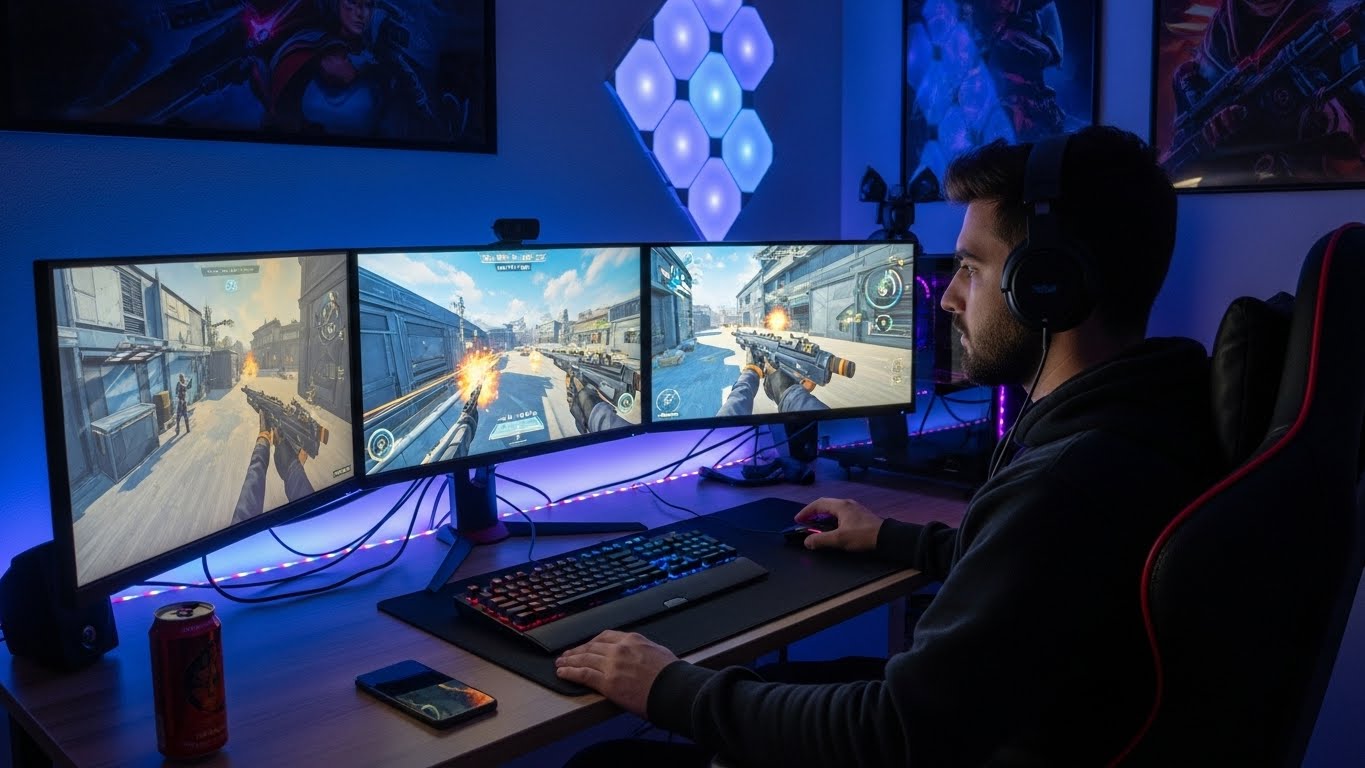
Gaming is no longer a niche hobby reserved for a select few; it has grown into a global cultural phenomenon that influences millions of lives. From casual mobile games to immersive virtual reality experiences, gaming has transformed the way people spend their leisure time, interact with others, and even develop critical skills. Its impact goes far beyond entertainment, touching aspects of psychology, social interaction, education, and creativity.
The Evolution of Gaming
Gaming has evolved dramatically over the past few decades. Early video games were simple, pixelated experiences designed to entertain and challenge. Today, modern games are complex narratives, visually stunning worlds, and interactive platforms that offer players rich storytelling and strategic thinking opportunities. The evolution of technology has enabled more realistic graphics, sophisticated artificial intelligence, and expansive online multiplayer environments, transforming gaming into an immersive and interactive experience.
Gaming as a Tool for Skill Development
One of the most overlooked aspects of gaming is its potential to develop valuable skills. Strategic games teach critical thinking, planning, and problem-solving. Fast-paced action games improve hand-eye coordination, reaction time, and multitasking abilities. Role-playing games encourage creativity, decision-making, and adaptability. Even puzzle-based games foster patience and logical reasoning. These skills are not confined to the virtual world; they often translate into improved performance in academic, professional, and personal contexts.
Social Connections and Online Communities
Modern gaming is a highly social activity. Multiplayer games, whether cooperative or competitive, create spaces where people can connect, communicate, and collaborate. Online communities form around shared interests, creating friendships that transcend geographical boundaries. In many cases, gaming provides a sense of belonging and support, particularly for individuals who may struggle to find social engagement in traditional settings. The social dynamics within gaming also teach teamwork, communication, and conflict resolution skills.
Storytelling and Immersion
Games today offer complex narratives that rival books and films in depth and engagement. Players are not just passive observers but active participants in these stories, making choices that influence outcomes. This level of immersion fosters empathy, perspective-taking, and emotional investment. Players experience triumph, failure, and moral dilemmas, all within the safe environment of a virtual world. Such experiences provide unique opportunities for cognitive and emotional growth.
The Rise of Competitive Gaming and Esports
Competitive gaming, or esports, has emerged as a professional and highly lucrative industry. Top players compete in international tournaments for significant prizes, sponsorships, and recognition. Esports has transformed gaming from a pastime into a legitimate career path, requiring dedication, strategy, and physical and mental endurance. Beyond professional players, esports inspires millions of fans who follow teams and tournaments, creating a shared culture of excitement and passion.
Gaming and Cognitive Health
Recent studies suggest that gaming can have positive effects on cognitive health. Regular gameplay can enhance memory, attention span, and spatial awareness. Certain games are even being used for educational and therapeutic purposes, helping children with learning difficulties or aiding in rehabilitation for adults recovering from injury. When approached mindfully, gaming can serve as a mental workout that challenges the brain while providing entertainment.
Gamification in Everyday Life
The influence of gaming extends beyond consoles and computers. Concepts from gaming, such as rewards, progress tracking, and challenges, are increasingly applied to everyday activities through gamification. Apps for fitness, education, and productivity use game mechanics to motivate users and increase engagement. By incorporating elements of play into real-life tasks, gamification makes learning and personal growth more enjoyable and effective.
The Impact on Culture and Identity
Gaming has become a cultural touchstone, shaping trends, language, and shared experiences. Iconic games influence fashion, music, and even social movements. Players often identify with avatars and in-game roles, exploring aspects of their personality or experimenting with identity in ways that are safe and controlled. This cultural and personal influence makes gaming a powerful medium for self-expression and creative exploration.
Challenges and Responsible Gaming
Despite its many benefits, gaming comes with challenges that cannot be ignored. Excessive gameplay can lead to sedentary behavior, disrupted sleep patterns, and social withdrawal. Online interactions may expose players to toxic behavior or harassment. Therefore, responsible gaming practices are essential. Balancing gameplay with other life activities, setting boundaries, and being mindful of mental and physical health ensures that gaming remains a positive influence.
The Future of Gaming: Virtual and Augmented Realities
The future of gaming promises even greater immersion through virtual reality (VR) and augmented reality (AR). These technologies allow players to interact with digital worlds in ways previously thought impossible, blurring the line between physical and virtual reality. As technology advances, gaming will become even more interactive, personalized, and engaging, offering new forms of entertainment, education, and social interaction. The potential applications are limitless, from training simulations to immersive storytelling experiences.
Gaming and Creativity
Gaming is a powerful platform for creativity. Many games allow players to design characters, build worlds, and create content that can be shared with global audiences. These creative opportunities encourage problem-solving, artistic expression, and innovation. User-generated content within gaming communities often fuels trends, showcases talent, and even leads to professional opportunities in game design and digital art. Creativity in gaming is not limited to gameplay; it becomes a collaborative and dynamic cultural force.
Conclusion: Gaming as a Force for Growth and Connection
Gaming is far more than a pastime; it is a medium that shapes culture, fosters skill development, and builds meaningful connections. It challenges the mind, encourages creativity, and creates communities that transcend geographical boundaries. As technology continues to advance, gaming will become an even more immersive and influential part of human life. By approaching it mindfully and responsibly, players can enjoy the benefits of this dynamic world while harnessing the potential for personal growth, social connection, and cultural enrichment. Gaming is no longer just entertainment—it is a transformative force that redefines the way people live, learn, and connect in the modern world.