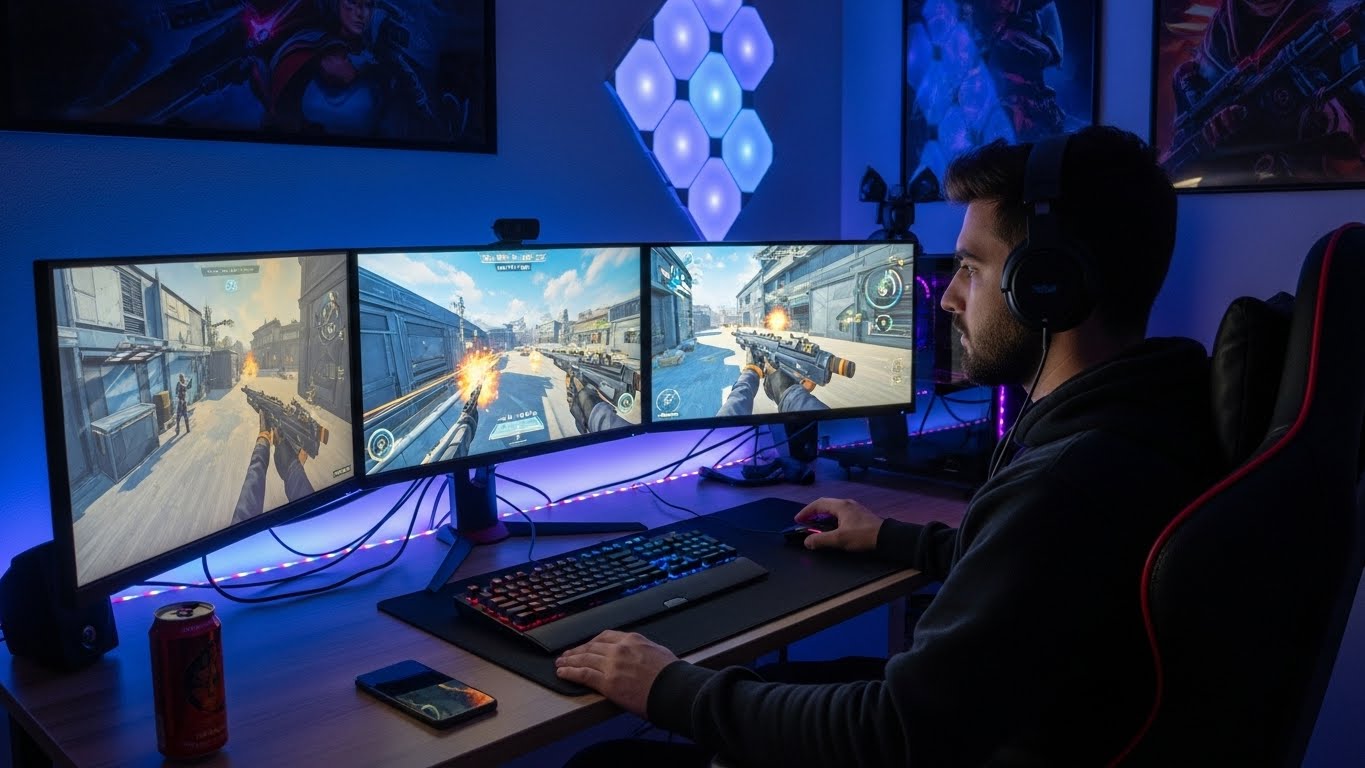
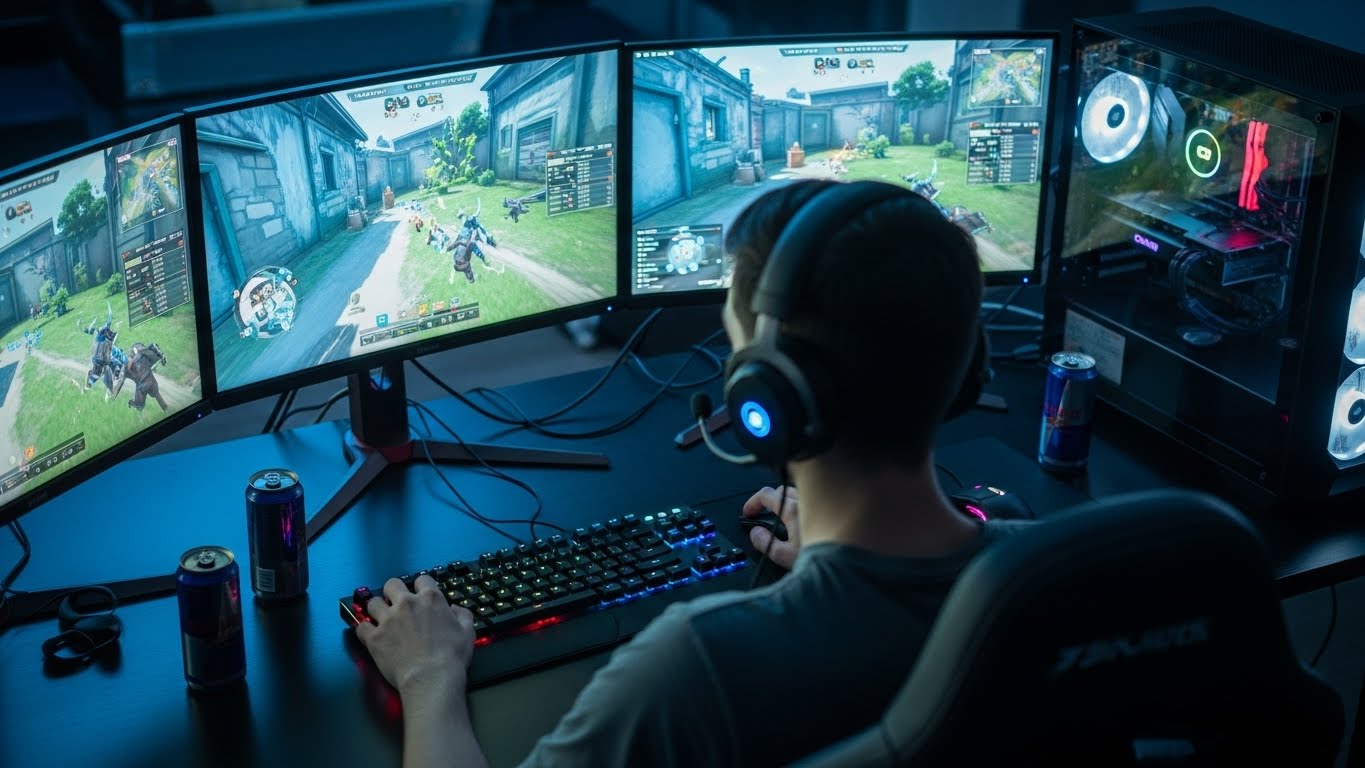
Gaming has always been an integral part of entertainment and leisure, but the recent surge in technological advancements has transformed it into a global cultural phenomenon. From its humble beginnings as pixelated arcade games to the vast, immersive experiences available on modern consoles and PC, gaming has evolved dramatically. In this blog post, we will explore the evolution of gaming, examine its technological advancements, and speculate on the future of the industry.
The Early Days: A Glimpse Into the Past
The history of gaming dates back to the early 1950s, when computer scientists and hobbyists began creating simple games. The most iconic early game, Pong, was developed by Atari in 1972. It was a simple tennis simulation, but it sparked the first wave of video game popularity. The 80s and 90s saw the emergence of home gaming consoles like the Nintendo Entertainment System (NES), Sega Genesis, and the Sony PlayStation, making video games accessible to a broader audience.
During this period, gaming was primarily about arcade machines and home consoles, with players inserting coins or cartridges to enjoy their favorite titles. Games like Super Mario Bros., The Legend of Zelda, and Street Fighter not only entertained but also laid the foundation for modern gaming, influencing gameplay mechanics, storylines, and character design.
The Rise of PC Gaming and Online Multiplayer
While consoles dominated the gaming market for years, the 90s and early 2000s saw the rise of PC gaming. Personal computers provided a platform for more complex, graphically-intensive games, offering an experience beyond the capabilities of traditional consoles. Doom (1993) and Warcraft (1994) are among the most notable early PC games that set the stage for future multiplayer experiences.
The introduction of the internet in the 90s opened the door for online multiplayer games. Titles like Counter-Strike (1999) and StarCraft (1998) began to take advantage of the web, allowing players to connect and compete in real-time from all over the world. The rise of online gaming communities led to the growth of esports, where professional players and teams competed for money, glory, and recognition. The popularity of massively multiplayer online role-playing games (MMORPGs) like World of Warcraft (2004) also marked a significant turning point, allowing millions of players to immerse themselves in virtual worlds simultaneously.
The Impact of Technological Advancements
Advancements in technology have played a crucial role in transforming the gaming industry. The graphics, sound design, and gameplay mechanics of modern games would be unimaginable without innovations in hardware and software. One of the most significant developments in recent years is the increase in graphical fidelity. Consoles like the PlayStation 5 and Xbox Series X, coupled with high-end gaming PCs, offer an unprecedented level of realism, allowing players to experience lifelike environments, detailed character models, and cinematic visuals.
Virtual reality (VR) and augmented reality (AR) technologies have also opened new avenues for immersion. With VR headsets like the Oculus Rift and PlayStation VR, players can step into fully realized worlds and interact with them in ways that were previously impossible. VR gaming takes immersion to another level, offering experiences that make players feel like they’re actually part of the game world.
Moreover, cloud gaming is quickly emerging as a revolutionary force. Services like Google Stadia, Microsoft xCloud, and Nvidia GeForce Now are making it possible to stream high-quality games on devices that traditionally wouldn’t be able to run them, such as smartphones or low-end laptops. This eliminates the need for expensive gaming hardware and opens gaming up to a broader audience, democratizing access to high-quality gaming experiences.
Esports: The Rise of Competitive Gaming
One of the most significant cultural shifts in gaming over the past two decades has been the rise of esports. What was once a hobby has now become a professional industry worth billions of dollars. Esports encompasses competitive gaming tournaments where players and teams battle it out for prestige and financial rewards. Games like League of Legends, Dota 2, and Overwatch have cultivated massive player bases, creating professional leagues and sponsorship opportunities similar to traditional sports.
The growth of esports has transformed gaming into a spectator sport, with live streams on platforms like Twitch and YouTube attracting millions of viewers. Esports tournaments like The International (for Dota 2) and the League of Legends World Championship draw attention from fans worldwide, and prize pools often reach into the millions of dollars. Esports has even made its way into mainstream media, with networks like ESPN and Fox Sports airing major tournaments and events.
For young gamers, esports represents an opportunity to turn their passion into a career, either as players, coaches, analysts, or content creators. The professionalization of gaming has made it a viable career path for many, and it’s no longer surprising to see gamers earning a living playing video games.
The Role of Storytelling in Modern Games
While gaming was once focused primarily on gameplay mechanics, modern titles have shifted toward delivering rich, narrative-driven experiences. Storytelling has become an integral part of many games, allowing developers to craft emotionally engaging stories and memorable characters. Games like The Last of Us and Red Dead Redemption 2 have received critical acclaim for their compelling narratives, blending cinematic storytelling with interactive gameplay.
This shift towards more narrative-driven games is partly due to the increased power of gaming hardware, which enables developers to create expansive worlds, lifelike characters, and deep story arcs. The popularity of open-world games, such as The Witcher 3: Wild Hunt and Skyrim, has also allowed players to explore massive, detailed environments, each filled with their own stories, quests, and characters.
As gaming becomes more mainstream, it is increasingly being recognized as a legitimate form of storytelling, on par with books, films, and television. With interactive elements, players can shape the course of a game’s narrative, adding a layer of personalization and engagement that traditional media cannot offer.
Gaming Communities and Social Interaction
One of the most important aspects of gaming today is the sense of community it fosters. Online multiplayer games allow players to interact with others from all over the world, forming friendships and communities centered around shared interests. Social media platforms, such as Discord and Reddit, have also become essential for building communities around specific games, providing spaces for fans to discuss strategies, share experiences, and bond over their love of gaming.
The rise of content creation on platforms like YouTube and Twitch has also added another layer to the gaming community. Gamers can now share their gameplay experiences with a global audience, and many successful content creators have built careers around gaming content, whether through walkthroughs, live streams, or entertainment.
Additionally, many games now feature social elements such as clans, guilds, and in-game events that further strengthen the community aspect. Fortnite, for example, has become a cultural phenomenon not only because of its gameplay but also because of its in-game events, collaborations with artists, and social features that allow players to engage in unique ways.
The Future of Gaming: What’s Next?
The future of gaming is incredibly exciting. With advancements in technology continuing at a rapid pace, there are numerous trends that could shape the gaming landscape in the coming years.
- Artificial Intelligence and Procedural Generation: AI is becoming increasingly sophisticated, and in the gaming world, this could lead to more dynamic and responsive game environments. Procedural generation, where worlds or levels are generated algorithmically rather than manually, will allow for virtually infinite replayability and variety.
- More Immersive Experiences with VR and AR: As VR and AR technologies improve, the line between the virtual and real world will continue to blur. We may see fully immersive virtual worlds where players can live, work, and interact in ways that go beyond traditional gaming.
- More Cross-Platform Play: With the growth of cloud gaming, it’s likely that cross-platform play will become more common. Players will be able to enjoy multiplayer games with friends, regardless of whether they’re playing on a console, PC, or mobile device.
- Next-Gen Hardware: Consoles and PCs will continue to push the boundaries of performance. Expect to see faster load times, higher resolutions, and even more advanced AI-driven gameplay that adapts to each individual player’s actions.
- The Metaverse: Many tech companies are pouring resources into creating the Metaverse, a fully immersive, interconnected virtual world where people can interact, socialize, work, and play. The Metaverse could represent the next big step in the evolution of gaming, integrating aspects of social media, commerce, and entertainment into one unified experience.
Conclusion: Gaming’s Bright Future
As gaming continues to evolve, one thing is clear: the industry is not slowing down. With new technologies, improved storytelling, and the growth of esports and online communities, gaming is set to remain at the forefront of global entertainment. The future of gaming holds immense potential, offering players new ways to experience virtual worlds, connect with others, and even redefine what it means to be a gamer.
Whether you’re a casual player or a hardcore enthusiast, the future of gaming promises to offer something for everyone. As technology continues to advance, there’s no telling just how far gaming will go. The only certainty is that the next few years will bring even more innovative and exciting developments that will shape the future of entertainment as we know it.