Introduction: The New Age of Play
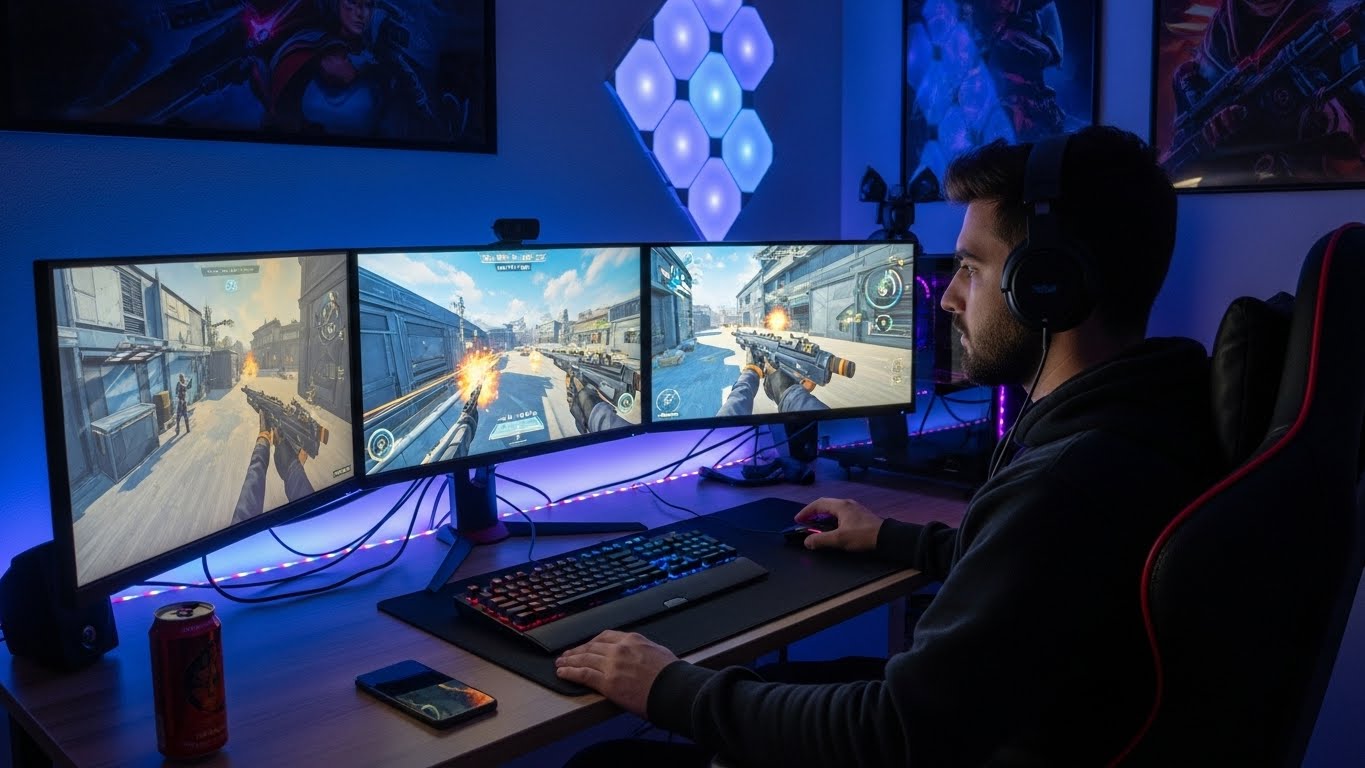
Gaming has transformed from a simple pastime into one of the most influential cultural forces of our time. What was once seen as a hobby dominated by pixelated screens and arcade cabinets has evolved into a multi-layered universe shaping the way we socialize, learn, compete, and even work. Today, gaming influences everything from global entertainment trends to cutting-edge technology and digital economies. This silent revolution didn’t happen overnight, and its story reveals just how deeply play has become intertwined with modern life.
The Evolution of Play: From Pixels to Possibility
There was a time when gaming meant inserting a coin into a cabinet and hoping for a high score before the timer ran out. Home consoles pushed this into living rooms, allowing players to explore worlds without leaving their couch. Then came the rise of personal computers, handheld devices, and eventually smartphones, democratizing gaming for anyone with a screen.
Now we find ourselves in an era where gaming is no longer limited by hardware. Virtual experiences blur the line between reality and imagination. Photorealistic graphics, intelligent NPCs, and global multiplayer platforms have created worlds that feel alive. Every leap in technology has expanded the boundaries of storytelling and interaction, making gaming not just an escape but a dynamic extension of human expression.
The Social Power of Gaming Communities
One of the most profound changes in modern gaming is the rise of global communities. Gamers are no longer isolated players working through levels alone. Instead, they form alliances, join guilds, compete in tournaments, and build friendships that can last a lifetime.
Voice chat, live streams, and digital meetups have turned gaming spaces into social hubs. Players bond over challenges, share strategies, and celebrate victories together. These communities offer a sense of belonging, especially for people who may struggle to find it in traditional social settings. The idea that games isolate individuals is now largely outdated—in many ways, they do the opposite.
Modern gaming has shown that shared digital challenges can create real emotional connections. Whether it’s reviving a teammate in a battle royale match or cooperating to solve a puzzle in a co-op adventure, the moments of teamwork foster communication and camaraderie.
Esports: Where Play Becomes Professional
Competitive gaming has catapulted into the mainstream, giving rise to esports, a multi-billion-dollar industry where players compete professionally. What was once informal competition between friends is now a global spectacle filling arenas and captivating millions of viewers.
Esports athletes train with the same intensity as traditional sports professionals. They analyze strategies, refine reaction times, and collaborate with coaches. The dedication required to compete at the highest level has broken stereotypes about gamers being casual or unmotivated. These players demonstrate discipline, precision, and strategic thinking that rival any athletic field.
The influence of esports has also inspired educational opportunities and scholarship programs. Universities now recognize gaming as a legitimate competitive pursuit worthy of investment, further validating the industry’s importance.
The Rise of Story-Driven Experiences
While competitive games dominate headlines, narrative-driven games continue to redefine the power of storytelling. Modern game developers craft emotional, cinematic experiences that rival films, books, and television.
Players aren’t just observers; they are participants. Their choices shape outcomes. Their actions carry consequences. This interactive design forms deep emotional experiences that traditional media can’t always replicate.
Story-driven games have explored themes like loss, identity, survival, morality, and redemption with surprising nuance. They prove that games can be more than entertainment—they can be art, vehicles for empathy, and windows into the human condition.
A New Era of Accessibility in Gaming
Access to gaming has expanded dramatically. With improved accessibility features, more people than ever can enjoy interactive experiences. Developers are implementing options like audio cues, color filters, adaptive controllers, and customizable interfaces.
Accessibility is not just a technical achievement; it’s a cultural shift. The gaming industry is embracing inclusivity in ways that ensure players of all abilities feel welcome and represented. This forward momentum makes gaming one of the most inclusive entertainment industries in the world.
The Economy of Virtual Worlds
Gaming has also created entire digital economies. From cosmetic items to virtual real estate, in-game purchases and marketplaces have reshaped how players interact with digital spaces. These economies empower players to express personal style, support developers, and even build careers within gaming ecosystems.
Virtual currencies, player-driven markets, and creative modes give gamers the ability to shape the world around them. Some players earn income through designing skins, building worlds, or participating in virtual events. Others use virtual spaces for social gatherings, business meetings, or simply a place to relax after a long day.
The blending of entertainment and economy highlights how deeply gaming is embedded in modern life.
Gaming and the Future of Technology
Many emerging technologies owe their breakthroughs to gaming. High-performance graphics cards, virtual reality headsets, haptic feedback devices, and advanced AI systems were often developed or improved because the gaming industry demanded innovation.
Virtual and augmented reality are prime examples. These technologies are becoming increasingly mainstream, offering immersive experiences for training, education, fitness, and recreation. Gamers are often the first adopters of new tech, driving companies to refine and improve these innovations.
Artificial intelligence in gaming has also paved the way for smarter NPCs, dynamic worlds, and responsive environments. The technology built for games often finds its way into real-world applications—from simulations to robotics.
The Psychological Benefits of Play
Gaming isn’t just fun; it also provides mental benefits. Studies have shown that games can improve problem-solving skills, enhance memory, sharpen coordination, and relieve stress. Cooperative games encourage communication and trust, while strategy games boost critical thinking and planning.
Gaming can also offer emotional support. Many players use games as a way to unwind or cope during difficult times. Immersing oneself in a digital world provides a temporary reprieve, allowing space to relax and reset.
Contrary to persistent myths, gaming can foster resilience. Overcoming challenges in games mirrors challenges in life, teaching persistence, adaptability, and creative thinking.
The Future of Gaming: Where Do We Go from Here?
As technology evolves, gaming will continue to break boundaries. We may see more integration with everyday life—smart home systems interacting with games, wearable devices tracking performance, or virtual worlds merging with real-world environments.
Cloud gaming will make high-quality experiences accessible on any device. Artificial intelligence may create entire worlds that adapt to each player’s style and preferences. We may even witness the rise of fully personalized storylines that evolve uniquely for every individual.
Gaming’s future promises deeper immersion, greater inclusivity, and richer experiences. As the industry expands, its cultural impact will only grow stronger.
Conclusion: The Power of Play in a Changing World
Gaming has quietly become a powerful force shaping modern culture. It’s more than entertainment—it’s a global language, a social network, a source of creativity, and a technological catalyst. Gaming brings people together across continents, inspires new forms of storytelling, and pushes the boundaries of innovation.
The silent revolution of modern gaming isn’t slowing down. Instead, it’s expanding into new dimensions, redefining what it means to play, connect, and imagine. In a world constantly seeking new ways to engage and inspire, gaming stands at the forefront—inviting everyone to press start on a universe of endless possibilities.