Introduction: The World Where Play Meets Power
Gaming is no longer just a hobby. It has evolved into a global cultural force that influences entertainment, technology, communication, creativity and even careers. The digital landscapes we dive into today are far more than pixels and polygons. They are worlds that represent imagination, competition, community and limitless innovation. As the gaming industry continues to grow, it reshapes how we relax, how we connect with others and how we dream. This blog takes you deep into the heart of modern gaming, exploring what makes it so powerful, how it has evolved and why its impact will continue for generations.
The Transformation of Gaming Over the Decades
There was a time when gaming was confined to small arcades and chunky home consoles. Games were simple, straightforward and limited in scope. The earliest titles offered only a few levels, basic mechanics and short playtimes. But the spirit of gaming—challenge, discovery and fun—was always present. Over the decades, advancements in technology pushed gaming into new dimensions. The introduction of 3D graphics, online play, open worlds and immersive storytelling transformed games into experiences rather than just activities. Every generation pushed boundaries further, creating a rich and ever-evolving medium that now rivals films and music in cultural relevance.
The Rise of Immersive Storytelling
Today’s gamers expect more than just gameplay. They want stories that pull them in emotionally and mentally. Modern titles offer complex plots, deep character development and cinematic presentations that rival blockbuster movies. Games now explore topics like loss, survival, identity and morality. Players are no longer passive observers; they influence outcomes, shape narratives and experience consequences based on their decisions. This interactivity makes gaming one of the most powerful storytelling techniques of our time. It offers a sense of agency and immersion that traditional media cannot replicate.
The Social Evolution of Gaming Communities
Gaming has become one of the most social forms of entertainment. Online multiplayer modes, global chat systems and cooperative missions allow players to build friendships, join teams and compete worldwide. Communities form around shared interests, teamwork and competitive spirit. From voice chats to huge player-created forums, gaming provides a place where individuals from different countries, cultures and backgrounds come together. These digital spaces are more than social hubs—they become sources of support, inspiration and belonging.
Esports: When Play Becomes a Profession
Competitive gaming has grown from small tournaments to massive global championships. Today, esports athletes train like traditional sport professionals, practicing strategies, mastering reflexes and studying opponents. Fans attend events, follow teams and support players with the same loyalty seen in traditional sports. Prize pools reach millions, and careers within esports—from players to analysts to coaches—are becoming increasingly mainstream. This remarkable evolution proves that gaming is not just fun; for many, it is a long-term career with real-world opportunities.
The Impact of Streaming and Content Creation
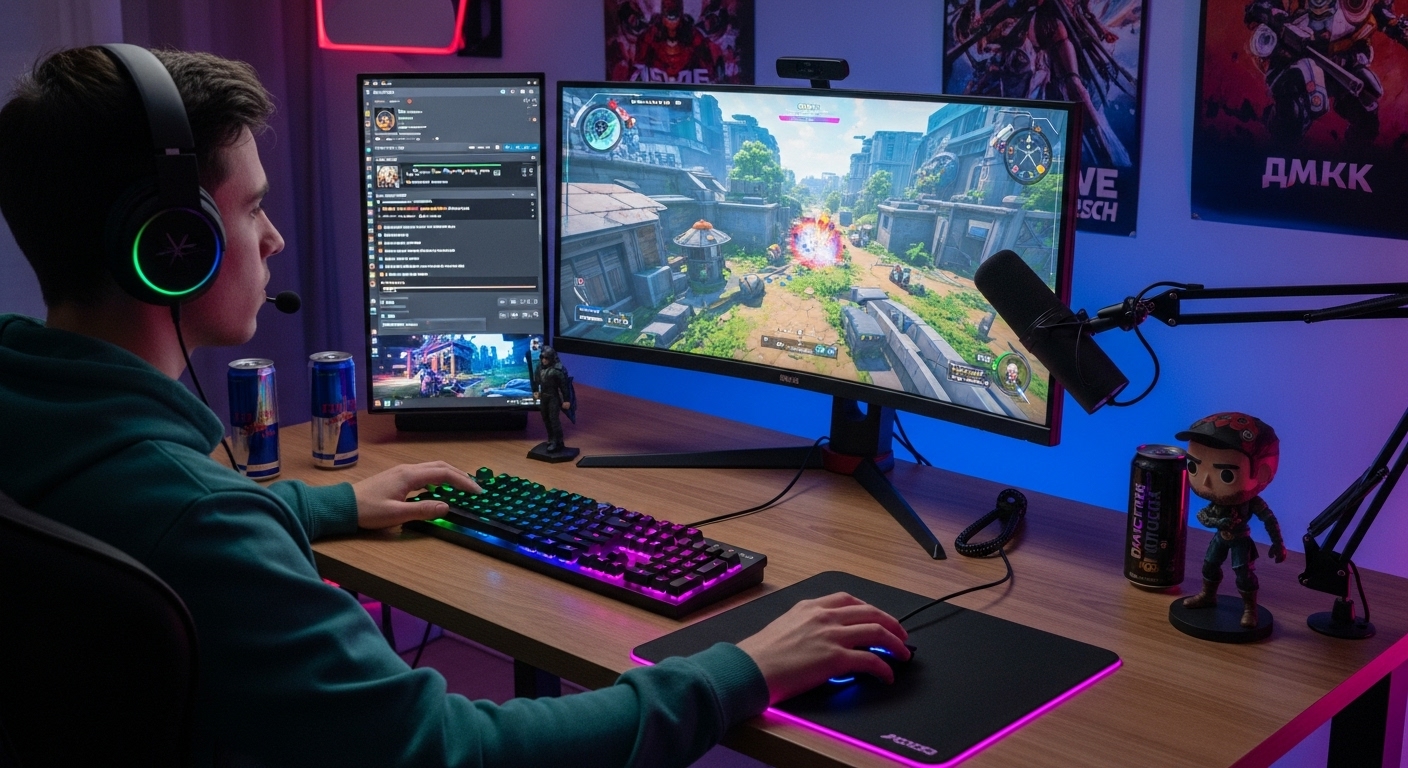
Streaming platforms have turned gamers into influencers and entertainers. Players who once played privately now share their experiences with thousands or even millions of viewers. Content creators shape gaming culture through commentary, tutorials, live gameplay and humor. This shift has created entire industries centered around gaming entertainment. Viewers learn strategies, discover new titles and feel connected to the personalities they watch. For many aspiring creators, gaming is not only a passion but a path to fame and income.
Technological Innovations That Reshape Play
Technology has always been the engine driving gaming forward. The improvements in graphics, hardware and connectivity have made virtual worlds more realistic, responsive and engaging. Cloud gaming now allows players to stream high-quality titles without expensive consoles or PCs. Artificial intelligence enhances game realism by controlling smarter enemies, dynamic stories and adaptive environments. Motion sensors, haptic feedback and virtual reality headsets allow players to move, touch and feel the game in ways that were once impossible. These innovations continue to redefine what games can be and how deeply players can interact with them.
Open World Experiences and Player Freedom
One of the most exciting developments in gaming is the shift toward open world design. Players are no longer confined to fixed paths or linear objectives. They can explore vast environments, take on side quests, interact with characters and shape the world around them. This freedom encourages creativity and rewards curiosity. Every decision becomes meaningful, and every player’s experience feels unique. This shift has raised the standard of what players expect from modern games, pushing developers to create even richer and more dynamic worlds.
Gaming as an Educational and Cognitive Tool
Beyond entertainment, gaming has proven its value in education and skill development. Strategy games sharpen problem-solving skills. Puzzle games enhance memory and focus. Simulation and building games teach resource management, planning and creativity. Multiplayer games foster teamwork and communication. Educators and parents are increasingly recognizing the potential of gaming as a tool for learning and growth. When used mindfully, games can develop real-world abilities and strengthen critical thinking skills.
The Role of Gaming in Mental Wellness
For many players, gaming is a source of relaxation and stress relief. Escaping into digital worlds can provide a break from reality, helping individuals decompress after long days. Cooperative games offer social comfort, while casual games provide simple joy and distraction. Some titles even include calming environments or uplifting themes that promote emotional well-being. Although moderation is key, the positive psychological benefits of gaming cannot be overlooked. It has become a modern method of coping, connecting and healing.
The Expanding Diversity of Game Genres and Players
Gaming is no longer limited to a specific age group or demographic. Children, adults and seniors all find games that suit their preferences. The expansion of genres—action, adventure, puzzle, sports, simulation, strategy and more—means there is something for everyone. Developers are creating inclusive characters, culturally diverse stories and mechanics that appeal to both casual and hardcore players. This diversity strengthens gaming as a universal medium and ensures its cultural relevance continues to grow.
The Business Behind the Screen
The gaming industry generates billions and remains one of the fastest-growing sectors of entertainment. Developers, designers, testers, marketers and writers work together to create the experiences players enjoy. Studios compete to deliver groundbreaking innovations, and indie developers bring fresh creativity to the scene. With constant evolution and growing demand, the industry continues to attract investors, entrepreneurs and creators who want to shape the future of play.
The Future of Gaming: What Lies Ahead
Looking ahead, gaming promises even greater possibilities. Virtual reality may become indistinguishable from real life. Artificial intelligence may create worlds that adapt intelligently to each player. Augmented reality could merge digital play with the physical world. Games may become more emotionally responsive, socially connected and environmentally expansive. The future of gaming is not just about improved graphics or faster hardware but about deeper experiences that blend creativity, technology and human imagination.
Conclusion: A World Forever Changed by Play
Gaming is more than entertainment. It is a growing culture, a global community, a source of innovation and a medium that inspires millions. From storytelling to technology, from competition to creativity, gaming touches every part of modern life. Its impact continues to shape how we play, learn, socialize and dream. As the industry evolves, one thing remains certain: gaming is a powerful force that will continue to transform the digital world and the human experience for years to come.