Introduction: The Power of Play in the Digital Era
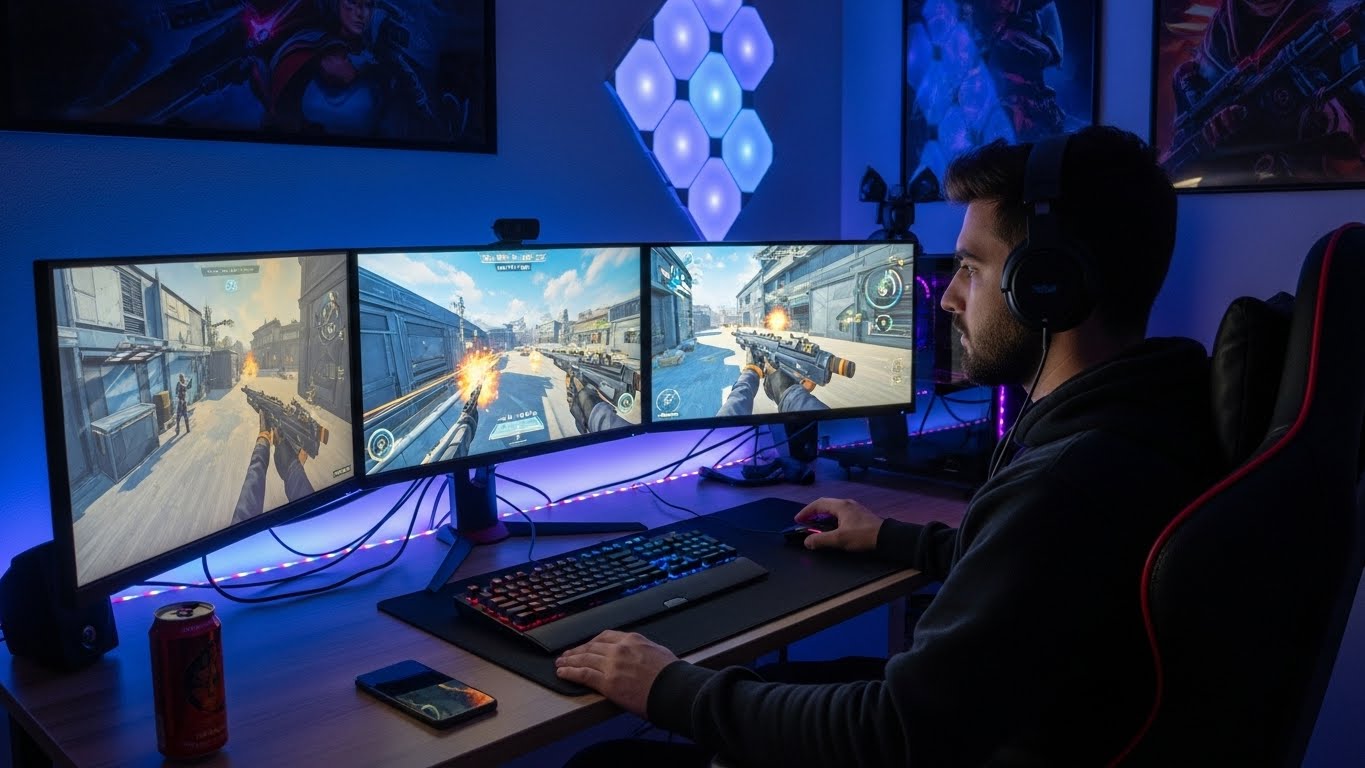
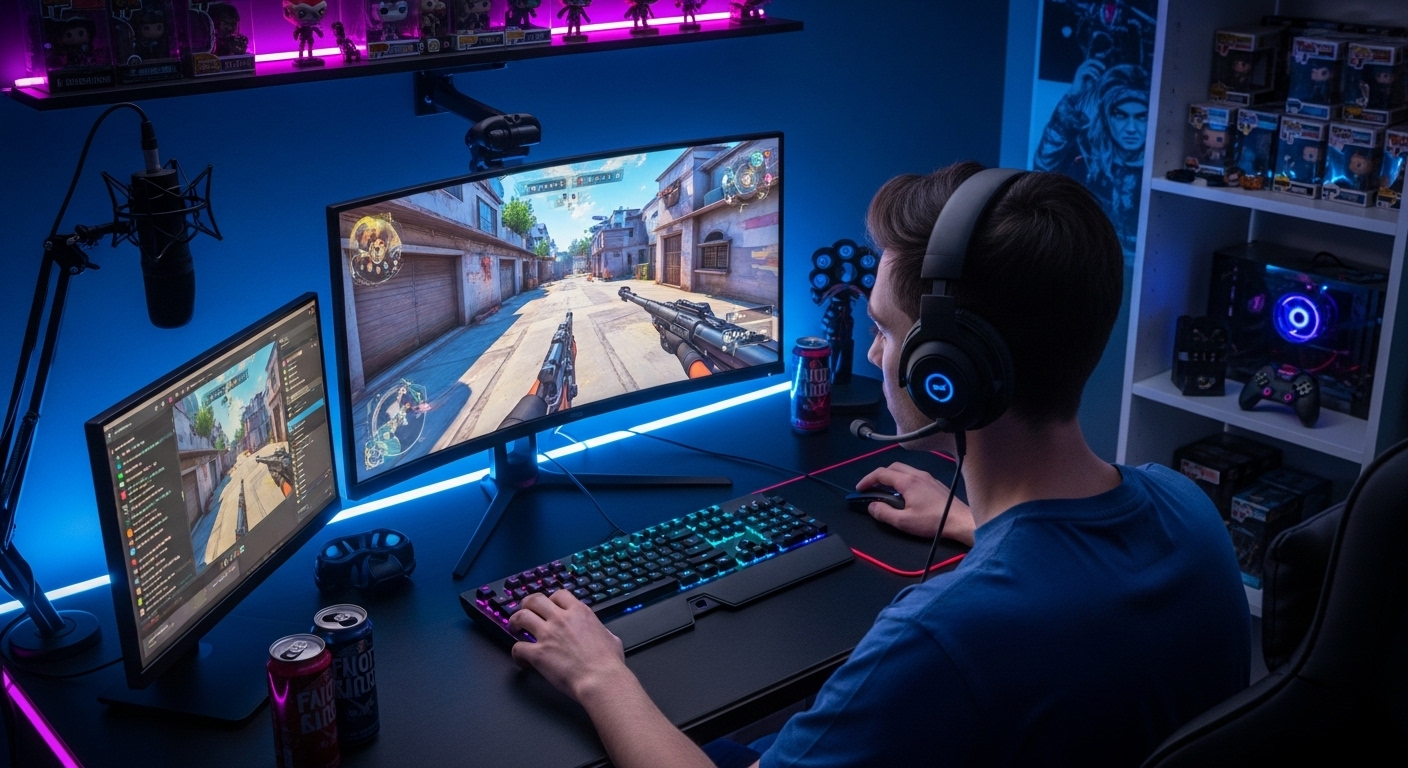
Gaming is no longer just a pastime for children or casual hobbyists. In today’s world, it is a dynamic cultural force, influencing entertainment, technology, social interaction, and even education. From sprawling open-world adventures to competitive esports, gaming captures the imagination of millions worldwide. Modern gaming has evolved into a multifaceted universe where stories, strategy, creativity, and skill intersect. This blog explores how gaming has transformed over the years, its impact on society, and the innovations that continue to shape its future.
The Evolution of Gaming: From Pixels to Immersion
The journey of gaming began with simple pixelated screens and limited controls. Early games were confined to arcades or basic home consoles, where graphics were rudimentary, but imagination filled the gaps. Players became pioneers in exploring virtual worlds with limited resources, yet their engagement laid the foundation for a global phenomenon.
With advances in technology, gaming shifted from two-dimensional challenges to fully immersive three-dimensional experiences. Today’s consoles and PCs deliver stunning graphics, complex physics, and lifelike environments. Gaming has evolved into a storytelling medium that rivals movies and literature, offering players narratives that provoke thought, emotion, and connection. The evolution from simple entertainment to rich, immersive experiences has changed not only how games are played but how they are perceived as art.
The Rise of Online Multiplayer and Social Gaming
One of the most transformative developments in gaming is online multiplayer connectivity. Gaming has become a social experience, connecting friends and strangers across the globe. Players no longer interact only with the game environment but with a vibrant community of gamers. Cooperative missions, team battles, and competitive arenas foster camaraderie, teamwork, and even healthy rivalry.
Online gaming communities have become cultural spaces where ideas, strategies, and creativity flourish. Players exchange tips, organize tournaments, and collaborate in ways that transcend geography. This social dimension of gaming has redefined how people spend leisure time, turning what was once a solitary activity into a collaborative, interactive experience.
Esports: Gaming as a Competitive Spectacle
The emergence of esports has elevated gaming to professional heights. Competitive gaming now rivals traditional sports in popularity, prize money, and audience engagement. Players dedicate countless hours to refining their skills, analyzing strategies, and mastering mechanics, much like athletes in any professional sport.
Esports tournaments are grand spectacles, drawing millions of viewers worldwide. These events showcase not only individual talent but teamwork, strategy, and mental endurance. Beyond entertainment, esports has created career opportunities for players, coaches, commentators, and content creators. It has legitimized gaming as a profession, inspiring a new generation to pursue their passion seriously.
Narrative-Driven Games: Where Stories Come Alive
Gaming is more than challenges and competitions; it is also a medium for storytelling. Modern narrative-driven games offer complex characters, rich worlds, and thought-provoking plots. Unlike films or books, games allow players to influence the story, making them active participants rather than passive observers.
Interactive storytelling creates deeper emotional engagement. Players form attachments to characters, make moral choices, and experience consequences, often reflecting on their values and decisions. Games like these demonstrate that gaming is not merely entertainment; it is an artistic medium capable of evoking profound emotional responses and fostering empathy.
Virtual Reality and Augmented Reality: The Future of Immersive Play
Virtual reality (VR) and augmented reality (AR) are pushing the boundaries of gaming further than ever before. VR transports players into fully interactive, 360-degree worlds where they can physically move, explore, and manipulate their surroundings. AR, on the other hand, overlays digital elements onto the real world, creating hybrid experiences that blend reality and imagination.
These technologies redefine immersion, offering new ways to experience stories, puzzles, and action. Whether exploring fantastical realms or participating in realistic simulations, VR and AR enhance engagement, making gaming an even more visceral and memorable experience. As technology advances, these immersive platforms will continue to shape the future of entertainment and education.
Mobile Gaming: Entertainment in the Palm of Your Hand
Mobile gaming has transformed accessibility and convenience in the gaming world. Smartphones put powerful games in everyone’s pocket, allowing people to play anywhere and anytime. Casual games, strategy challenges, and mobile RPGs cater to diverse audiences, from commuters to dedicated gamers.
The mobile gaming market has also driven innovation in game design, introducing intuitive touch controls, short-form gameplay, and social integration. These games often act as a gateway, introducing new players to more complex genres. By making gaming universally accessible, mobile platforms have expanded the industry’s reach and influence, creating a new generation of enthusiasts.
Gaming and Education: Learning Through Play
Games are increasingly recognized for their educational potential. Educational games and simulations teach problem-solving, critical thinking, and collaboration skills in engaging and interactive ways. Strategy games improve planning and decision-making, while puzzles and logic-based games enhance cognitive abilities.
Beyond traditional education, games can also introduce players to history, science, and culture. Interactive experiences allow learners to explore new concepts through experimentation, practice, and reflection. Gaming proves that play is not only enjoyable but a powerful tool for learning and personal development.
Cultural Impact of Gaming: Shaping Trends and Communities
Gaming has become a major cultural force, influencing fashion, music, media, and art. Iconic characters, game worlds, and mechanics inspire fan art, cosplay, and community creations. Music from games becomes part of mainstream culture, while cinematic cutscenes inspire storytelling in other media.
Gaming communities foster cultural exchange, collaboration, and creativity. Gamers share experiences, celebrate diversity, and create spaces for self-expression. The cultural significance of gaming demonstrates its role as more than a hobby—it is a medium through which people connect, create, and communicate in meaningful ways.
Challenges in the Gaming World: Addiction, Representation, and Accessibility
While gaming has many positive aspects, it also faces challenges. Gaming addiction, if unmanaged, can affect mental health, relationships, and productivity. It is important for players to maintain balance and for communities to promote responsible gaming.
Representation and inclusivity are other areas of concern. Historically, gaming often reflected limited perspectives. However, the industry is gradually embracing diversity in characters, stories, and accessibility. Inclusive design ensures that people of all abilities, genders, and backgrounds can enjoy games, expanding the reach and impact of gaming globally.
The Economics of Gaming: A Multi-Billion Dollar Industry
Gaming has grown into a multi-billion dollar industry that rivals film and music in revenue. Beyond game sales, revenue streams include downloadable content, microtransactions, merchandise, and esports sponsorships. This financial growth has allowed studios to invest in cutting-edge technology, storytelling, and innovation.
The industry’s economic impact also extends to job creation. Game development requires artists, writers, designers, programmers, and marketers. Streaming and content creation have created new careers, further emphasizing gaming’s role as both entertainment and a professional ecosystem.
The Future of Gaming: Boundless Possibilities
The future of gaming is limitless. As artificial intelligence, cloud computing, and immersive technologies advance, games will become more dynamic, adaptive, and realistic. Personalized experiences may tailor narratives, challenges, and environments to individual players, creating unique journeys for everyone.
Moreover, gaming will continue to integrate with other forms of media, education, and social interaction. Its evolution reflects human creativity, adaptability, and the innate desire to play. The potential for innovation is immense, promising new ways to entertain, connect, and inspire people worldwide.
Conclusion: Gaming as a Reflection of Modern Life
Gaming has grown from simple amusement to a multifaceted cultural phenomenon. It blends technology, storytelling, art, and social interaction in ways that shape both individual experiences and collective culture. Through competitive play, immersive worlds, and shared communities, gaming reflects our creativity, our curiosity, and our desire to explore new frontiers.
As technology continues to evolve and the gaming community expands, one thing remains certain: gaming is not just a hobby—it is a powerful force that entertains, educates, and connects people around the world. The future of gaming promises endless innovation, endless stories, and endless possibilities for those who dare to play.